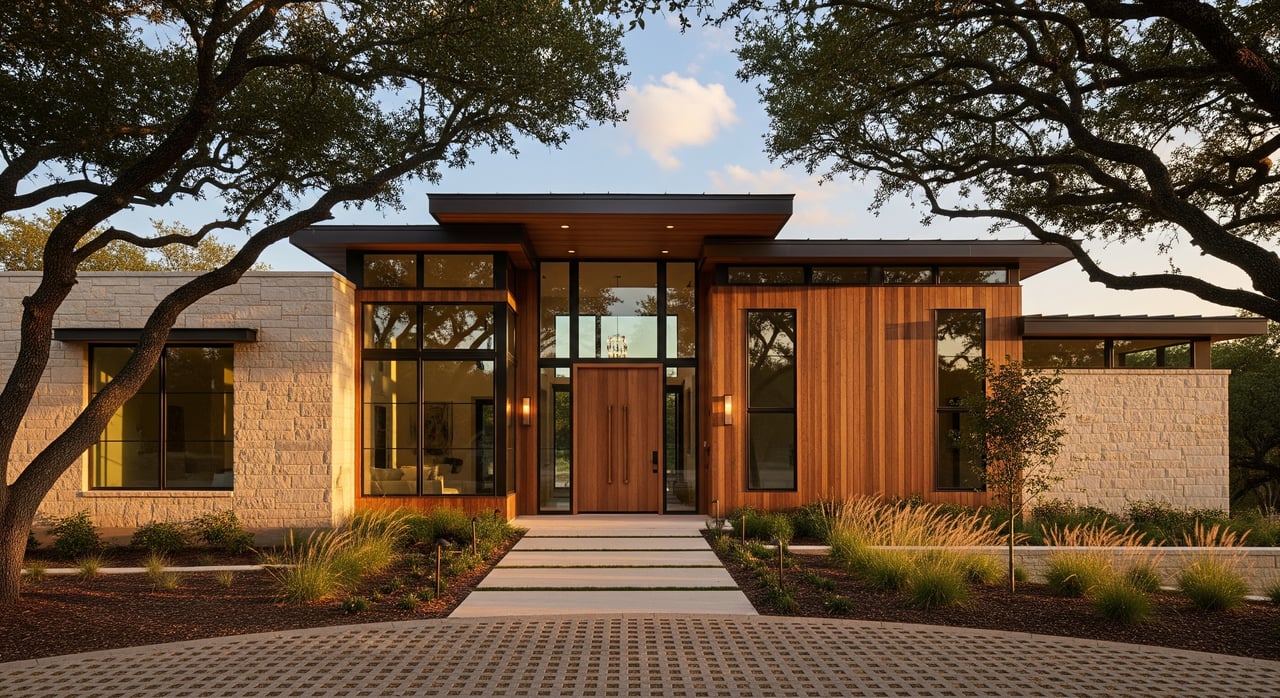
Building a new home in North Austin can feel like managing a dozen moving parts at once. You want a design that fits your style, a timeline that fits your life, and a process you can trust from the first lot visit to the final set of keys. This guide walks you through each phase, explains local Austin realities, and gives you checklists you can use right away. Let’s dive in.
Your North Austin new-build roadmap
A clear plan keeps your decisions on track and your budget in check. Here is the typical sequence from start to finish.
- Lot selection and due diligence
- Builder selection and contract negotiation
- Plan finalization, permitting and site prep
- Construction: foundation, rough-in, framing, finishes
- Inspections, certificate of occupancy and final walkthrough
- Closing, keys, and warranty period
Timelines vary by lot and scope. A production or spec home on a developed lot often takes roughly 4 to 9 months once construction begins. Semi-custom or custom builds, or lots that require major site work, often run 8 to 18 months. Permit review and utility capacity can add time, so verify current processing with the City of Austin Development Services before committing to dates.
Choose the right lot in North Austin
Your lot sets the rules for what you can build and how much it will cost. Focus your due diligence on items that drive design, budget, and timing.
Zoning and land use
Zoning determines setbacks, height, accessory units, parking, and more. Review current zoning and any pending changes through the City’s resources. You can explore requirements and confirm processes through the City of Austin’s Development Services page to understand how local rules affect your plans.
Platting, easements and restrictions
Recorded plats, setback lines, and utility easements affect where your home can sit on the lot. Verify these items through county records before you finalize a purchase.
Floodplain and drainage
Floodplain status impacts your foundation type, finished floor elevation, insurance needs, and permit approvals. Always confirm before you design.
Soils, trees and site conditions
North Austin often includes caliche and clay soils that influence the foundation design and cost. Large or protected trees may require permits or mitigation. For custom or complex builds, consider a site soil or geotechnical review to avoid surprises.
Utilities and service capacity
Confirm availability and lead times for power, water, wastewater, and telecom. Some infill sites require new service drops or capacity releases that add cost and time.
HOA and deed restrictions
Many North Austin subdivisions have covenants that govern exterior materials, colors, fencing, and landscaping. These rules can shape your design center choices, so review them early.
Location and daily life
North Austin ranges from infill lots near MoPac and I-35 to suburban neighborhoods along 183 and the tech corridor. Proximity to major roads and employers around The Domain can support your resale outlook and commute goals. Visit the area at different times of day to gauge traffic and noise patterns.
Pick your builder and protect your contract
Your builder relationship and contract terms will define quality, cost and your stress level. Know your options and lock in key protections.
Builder types
- Spec home: The builder constructs and sells upon completion or near completion. Shorter time to close, fewer customization options.
- Build-to-order production: You choose a plan and options. More selections, longer timeline.
- Semi-custom or custom: Highest level of design control, longest timeline, and typically more complexity.
What to review in the contract
- Scope of work, allowances, and included brands or model numbers
- Price structure, upgrade process, and change order rules
- Construction milestones, estimated timeline, and delay provisions
- Warranty terms and how to submit service requests
- Dispute resolution clauses and remedies
- Contingencies for financing, appraisal, title and HOA approvals
- Who pays which closing costs and fees
Many builders use proprietary contracts. Have an experienced real estate attorney or trusted advisor review before you sign. For consumer background on standard Texas practices and forms, visit the Texas Real Estate Commission.
Financing your build
If you are buying a completed or near-complete spec home, a conventional mortgage may fit. For ground-up builds, consider construction-to-permanent loans or a temporary construction loan with draws tied to inspections. For a plain-language overview of construction financing, review the Consumer Financial Protection Bureau’s guidance.
Design center decisions without delays
Selections are where your vision comes to life. They are also where budgets and schedules can slip.
How allowances work
Your contract likely lists allowances for categories like flooring, countertops, lighting, and appliances. If you choose items above the allowance, you pay the difference plus any additional labor and tax. Ask for itemized pricing and product model numbers in writing.
Lead times matter
Appliances, specialty tile, custom cabinets and certain fixtures can have long lead times. Builders often require you to finalize long-lead selections early so procurement does not delay inspections later. If you are relocating, schedule design appointments right after signing to stay ahead.
Design-minded tips
- Request full spec sheets and sample boards to confirm color and scale.
- Bring room measurements and photos to compare finishes.
- Clarify lighting and landscape allowances. Small gaps can add up.
- Document every approved change order with cost and schedule impact.
Permits, inspections and Austin realities
The City of Austin’s process includes multiple review types. Plan ahead so your project stays in motion.
Permit process overview
Expect building plan review and, when applicable, civil or drainage review along with plumbing, electrical and mechanical approvals. Track your status and confirm current timelines using City of Austin Development Services. Coordinate early with Austin Energy and Austin Water for service applications and fees if your lot requires new connections.
Common inspection sequence
- Site prep and erosion control
- Footing and foundation or pier inspections
- Foundation waterproofing or drainage proofing if required
- Rough-in for plumbing, electrical and HVAC
- Framing and structural inspection
- Insulation and energy code checks
- Final mechanical, plumbing and electrical
- Final building inspection and certificate of occupancy
Energy and green building
Austin often enforces energy requirements above state minimums. Builders may participate in energy programs that influence insulation, windows, duct sealing and testing. Learn more about local programs through Austin Energy.
What causes delays
Delays often stem from incomplete permit submissions, utility capacity letters, HOA approvals or long-lead materials. Confirm your builder’s permit submittal dates and ask for the application numbers so you can track progress.
Timeline: what to expect
Every site is unique, but these ranges help you plan moves and financing.
- Permitting and site prep: a few weeks to several months depending on review times, site complexity and utility availability.
- Production or spec build on a developed lot: often 4 to 9 months.
- Semi-custom or custom build, or lots needing major site work: often 8 to 18 months.
Check current processing times with City of Austin Development Services before finalizing dates in your contract.
Walkthroughs, closing and warranties
You are almost there. A strong finish protects your investment and sets expectations for service.
Final walkthrough and punch list
The builder will schedule a pre-closing walkthrough to note items to complete or correct. Document everything in writing with due dates and agree on what will be finished before closing versus after. Keep photos and communication logs for reference.
Certificate of occupancy and closing
The certificate of occupancy is issued after final inspections and is typically required before your lender funds. Confirm who pays for the survey, title insurance, recording fees and HOA transfer fees so there are no surprises at the closing table.
What warranties usually cover
Industry norms often include a 1-year limited warranty for workmanship and materials, roughly 2 years for major systems like HVAC, plumbing and electrical, and up to 10 years for structural elements. Exact terms vary by builder, so read the warranty for timelines, claim procedures and exclusions. For broader background on builder practices and warranties, explore resources from the National Association of Home Builders.
Warranty claims and escalation
Submit claims in writing within the specified windows. Keep records of dates, photos and responses. If issues persist, follow the contract’s escalation path, which may include contacting a superintendent, a warranty manager or pursuing mediation or arbitration.
Relocating? Use this simple checklist
Follow these steps to keep your build moving while you are out of town.
- Before signing: verify zoning, floodplain, easements, HOA covenants and utility availability. Ask your agent or attorney to review the contract and warranties. Confirm allowances and get a full spec list with brands and models.
- After signing: book design center appointments immediately and prioritize long-lead choices. Confirm the builder’s permit timeline and request application numbers to track status with the City. Align lender draw schedules if you have construction financing.
- During construction: attend or hire an independent inspector for foundation and pre-drywall checks. Keep a running punch list and document communication with photos.
- Pre-closing and post-closing: complete the final walkthrough and get the punch list in writing. Know the warranty process and schedule your first service touchpoints. Review HOA turnover timelines and developer commitments for common areas.
How a trusted local advisor helps
A strong local advocate can save you time and reduce risk by coordinating due diligence, tracking permits and managing selections. You get better clarity on timelines, clearer upgrade pricing and faster decisions when problems arise. If you want hands-on guidance from lot to keys with a focus on design, service and results, connect with Soud Twal to get a tailored plan for your North Austin new build.
FAQs
How long does new construction in North Austin usually take?
- For a production or spec build on a developed lot, expect roughly 4 to 9 months after construction starts. Custom builds or complex sites often run 8 to 18 months.
Who pulls permits for a new home in Austin?
- Builders typically handle permits and inspections, but you should confirm this in your contract and track status through City resources.
What costs are often not in the base price of a new build?
- Upgrades above allowances, expanded landscaping, extended driveways or sidewalks, certain utility tap or capacity fees, and closing costs if not negotiated.
What financing options fit a ground-up build in Austin?
What should I review in a builder contract before signing?
- Confirm scope, allowances, included brands, change order rules, timeline and warranty terms. Ask an attorney or experienced advisor to review proprietary builder contracts.
When should I schedule design center appointments if I am relocating?
- Immediately after signing. Prioritize long-lead items like appliances, tile and custom cabinets so procurement does not delay inspections.
What inspections should I consider beyond the City’s?
- Hire an independent inspector for framing and final stages, and consider a structural or soil engineer for unusual sites to supplement municipal inspections.