If your ideal Austin day starts on a trail, includes time in the water or under the trees, and ends with coffee or a patio hangout, Barton Hills deserves a closer look. This small residential community along Barton Creek sits in one of the city’s most connected recreation areas, which gives you an outdoor-focused lifestyle without feeling far from Central Austin. If you are weighing neighborhoods that balance nature, convenience, and character, this guide will show you why Barton Hills stands out. Let’s dive in.
Why Barton Hills Appeals to Outdoor Lovers
Barton Hills is a small residential community in south Austin, and its location is the real story. According to the Barton Hills Neighborhood Association, the neighborhood sits near Barton Creek and close to a dense cluster of outdoor destinations that includes the Barton Creek Greenbelt, Zilker Park, Barton Springs Pool, and the Violet Crown Trail.
That combination gives Barton Hills a close-in, active feel. Instead of planning a weekend trip just to spend time outside, you can build trails, parks, and casual outdoor routines into your normal week.
Barton Creek Greenbelt Access
For many outdoor-minded buyers, the Barton Creek Greenbelt is the headline amenity. The City of Austin says the Greenbelt offers more than 12 miles of recreation, including a main 7.5-mile trail and official access points at Zilker/Barton Creek, Spyglass, Barton Hills School Park/Homedale, and Gus Fruh/Barton Hills Dr.
What makes Barton Hills especially appealing is that trail access is not just nearby in a general sense. The official trailheads at Barton Hills School Park/Homedale and Gus Fruh/Barton Hills Dr. give the neighborhood direct access points that support everyday use.
If you like hiking, trail running, or just stepping out for fresh air before work, that kind of access matters. It can turn the outdoors from an occasional outing into part of your daily routine.
What to Know Before You Go
The City of Austin notes that Greenbelt conditions can change quickly. If you plan to use the trails often, it helps to stay flexible and prepared.
A practical rule is simple: pack it in, pack it out. That small habit helps protect one of the area’s most-used natural spaces and keeps the experience better for everyone.
Parks Near Barton Hills
Barton Hills is not only about trail access. It also benefits from being near some of Austin’s best-known public green spaces.
Zilker Metropolitan Park is Austin’s oldest metropolitan park and covers more than 350 acres. The city lists major amenities there including Barton Springs Pool, Zilker Botanical Garden, the Austin Nature and Science Center, the Butler Hike and Bike Trail, and Barton Creek Trail.
That means your outdoor options can be flexible. One day might be a Greenbelt hike, another might be a walk through Zilker, and another could be a stop at the botanical garden or nature center.
Barton Hills School Park
If you want a true neighborhood park, Barton Hills School Park is an important detail. Austin Parks and Recreation lists it at 2009 Homedale Dr. as a 4.76-acre park, and the city’s school parks program states that school parks are public outside school hours.
A city community park document also describes the park as centrally situated in Barton Hills and notes its proximity to both the Greenbelt and Zilker Park. For buyers, that helps confirm the neighborhood offers both local green space and access to larger destination parks.
Barton Springs and Year-Round Outdoor Living
Barton Springs Pool adds another layer to the Barton Hills lifestyle. Located in Zilker Park, this three-acre spring-fed pool stays at an average temperature of 68 to 70 degrees, according to the City of Austin.
That steady temperature is one reason Barton Springs feels like a year-round amenity instead of just a summer stop. If you value regular outdoor recreation, it is hard to ignore the appeal of living close to a place that supports that habit in every season.
Violet Crown Trail Connections
The Violet Crown Trail adds even more reach for people who want long-distance trail options. The City of Austin says the trail begins at the Barton Creek Greenbelt entrance at Zilker Park and is planned to extend 30 miles south into Hays County when complete.
For Barton Hills residents, that nearby connection reinforces the neighborhood’s outdoor identity. You are not limited to one park or one route. You are plugged into a broader network of recreation that expands the ways you can use the area.
Cafés That Fit the Lifestyle
Outdoor living is not only about trails and parks. It is also about what happens before or after your time outside, and Barton Hills benefits from easy access to the South Lamar and South First corridors.
These nearby spots support a simple rhythm that many buyers want: coffee in the morning, a trail or park in the middle of the day, and a casual patio or meet-up spot later on. That lifestyle story fits Barton Hills especially well because the neighborhood sits so close to both recreation and everyday hangouts.
Coffee and Casual Stops Nearby
Here are a few nearby options that support that routine:
- Once Over Coffee Bar at 2009 S 1st St offers specialty coffee, handcrafted cocktails, local art, and daily hours from 7 a.m. to 7 p.m.
- Desnudo Coffee South Lamar at 1904 S Lamar Blvd has daily morning hours that make it a convenient grab-and-go stop.
- Kerbey Lane Cafe South Lamar at 3003 S Lamar Blvd notes its location near Barton Hills and Zilker and includes a pet-friendly patio.
- Postino South Lamar at 1301 S Lamar Blvd is positioned as a wine café and group dining spot.
Taken together, these spots help round out the neighborhood experience. They give you easy places to meet friends, reset after a hike, or enjoy a low-key evening without going far.
Homes That Match Indoor-Outdoor Living
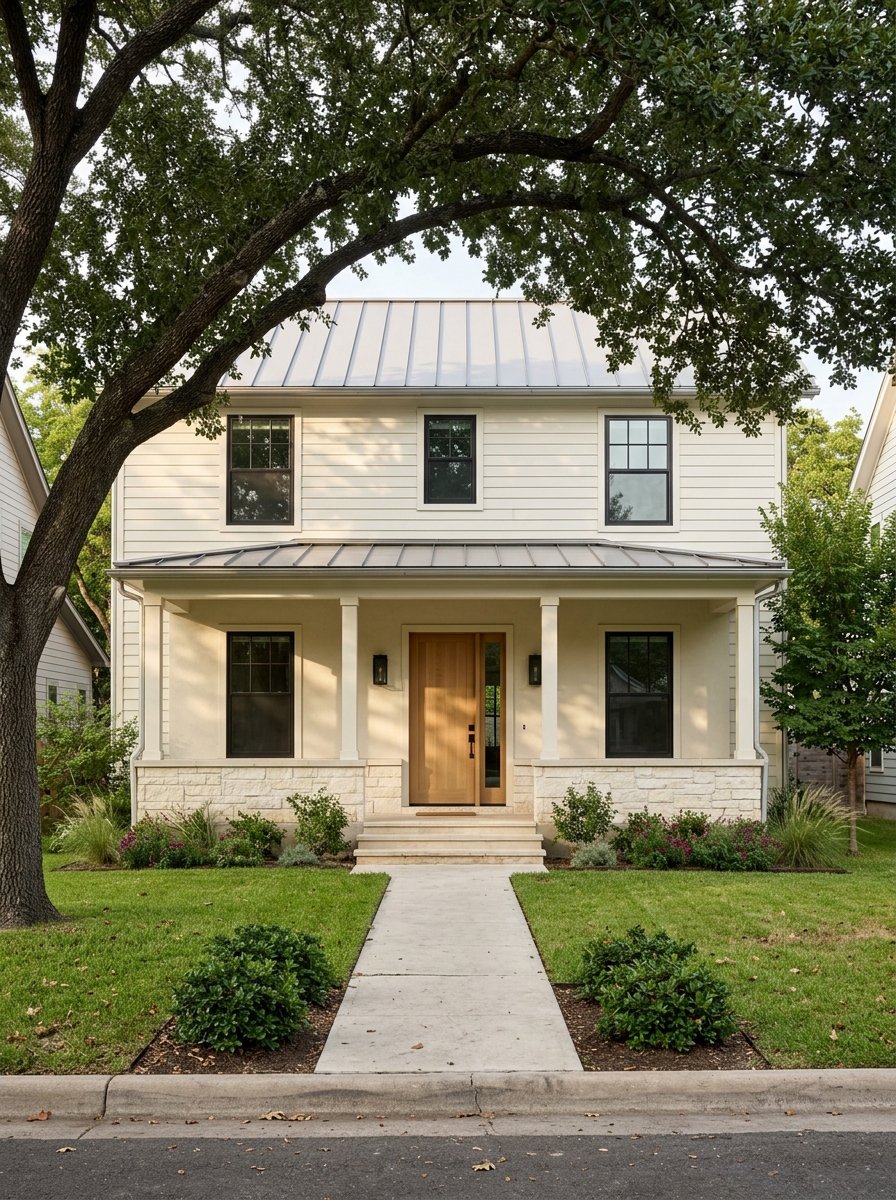
Barton Hills also stands out because its housing style supports the outdoor story. City historic preservation materials describe Barton Hills as part of Austin’s postwar ranch-style housing history and note a concentration of intact A.D. Stenger homes in a mid-century subdivision within the neighborhood.
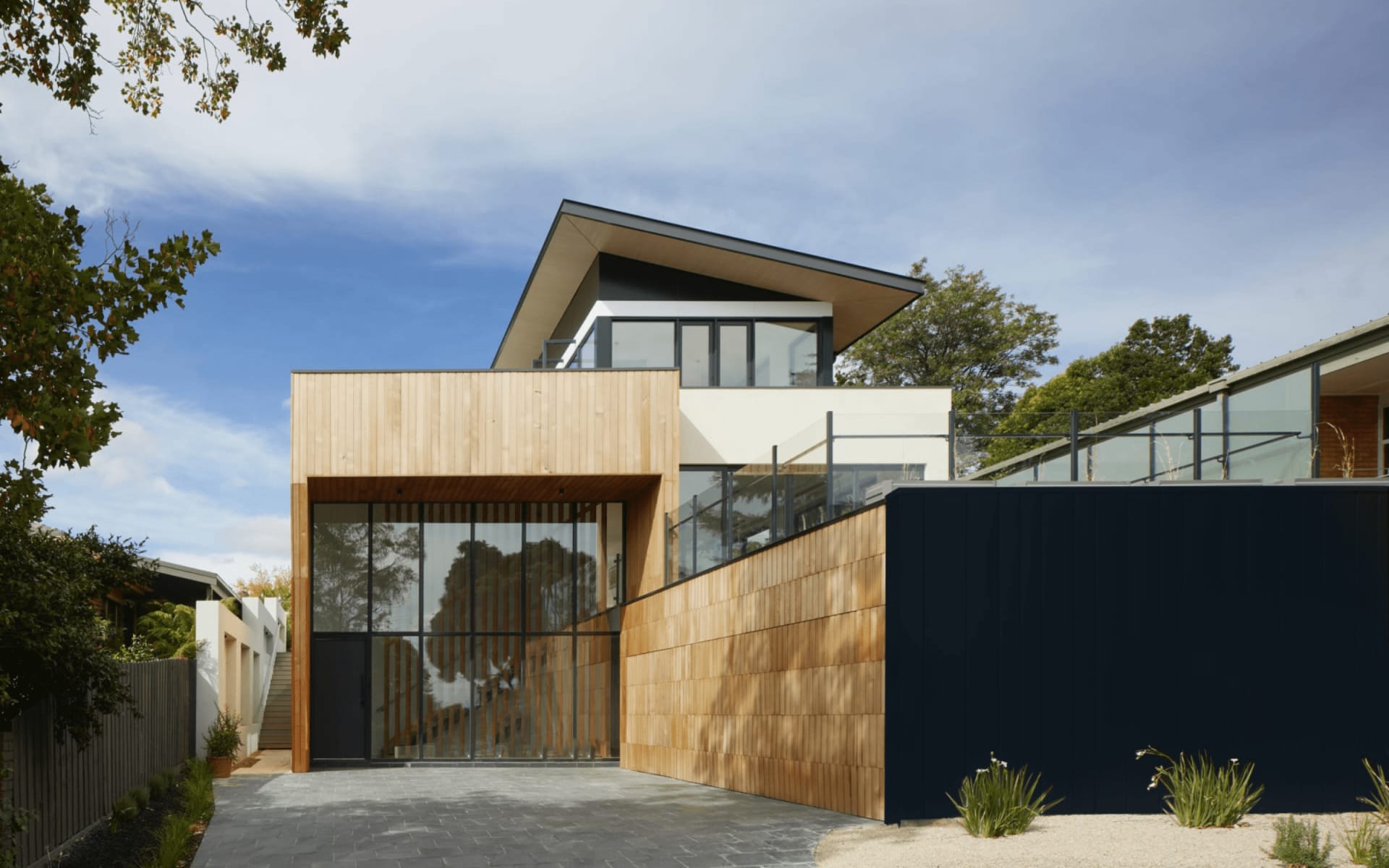
Those same city materials point to features like low-pitched roofs, clerestory windows, natural materials, and designs that emphasize indoor-outdoor space. For a buyer, that is more than an architectural note. It helps explain why the neighborhood often feels aligned with an active, outdoors-oriented lifestyle.
What Buyers May Find
In practical terms, Barton Hills is often associated with:
- Original mid-century ranch homes
- Mid-century modern or Modernist homes
- Renovated properties that preserve an indoor-outdoor feel
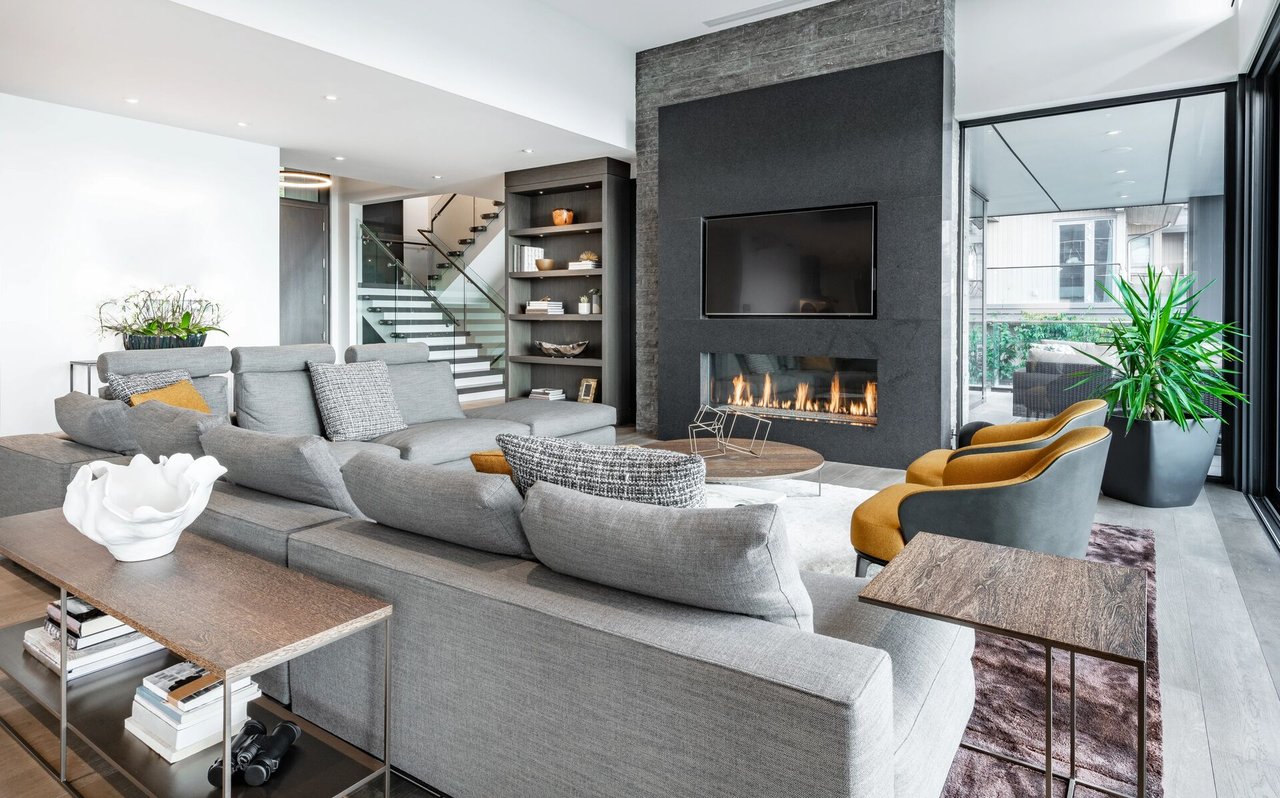
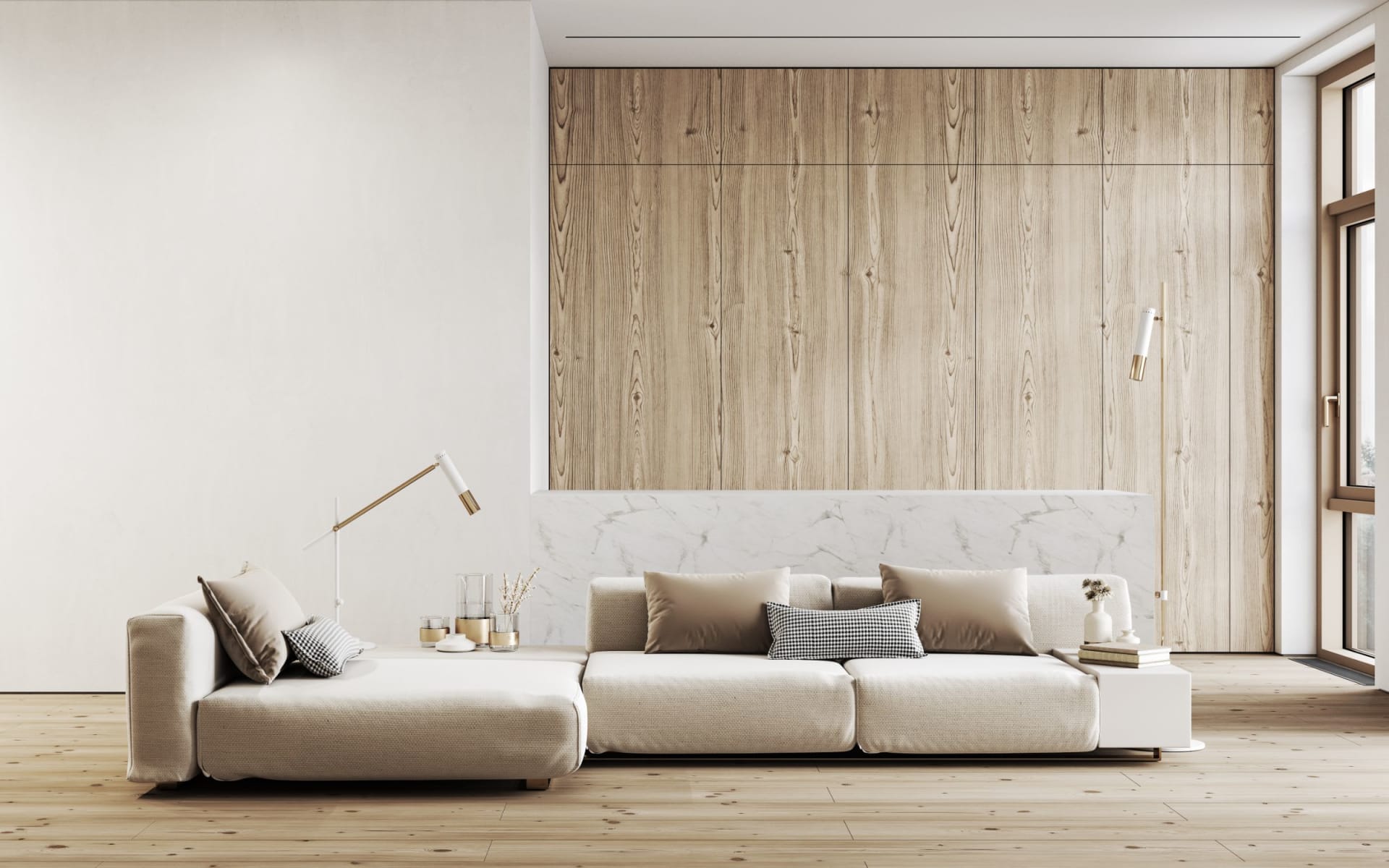
If you are drawn to homes with patios, yard privacy, natural light, and easy flow between inside and outside, Barton Hills has a housing story that supports those priorities. That can be especially appealing if you want a home that feels connected to the landscape rather than separate from it.
Why Barton Hills Works for Buyers
For many buyers, the biggest question is whether Barton Hills offers both outdoor access and city convenience. Based on the combination of Barton Creek, Zilker Park, Barton Springs Pool, nearby trail connections, and café corridors on South Lamar and South First, the answer is often yes.
It is a neighborhood that can support an active routine without asking you to choose between nature and access to central Austin amenities. That balance is a big reason Barton Hills continues to stand out for design-minded buyers, relocating professionals, and anyone who wants daily life to feel a little more connected to the outdoors.
If you are exploring Barton Hills, it helps to look beyond the map. The real value is how the neighborhood functions day to day, from direct Greenbelt access to nearby parks, year-round recreation, and homes that often reflect Austin’s indoor-outdoor design tradition.
When you want a neighborhood that feels close to both the city and the trail, Barton Hills makes a strong case. If you are considering a move in 78704 or want help identifying homes that fit your lifestyle, Soud Twal can help you navigate Barton Hills with a clear, concierge-level approach.
FAQs
How close is Barton Creek Greenbelt access from Barton Hills?
- Barton Hills has official Greenbelt access points at Barton Hills School Park/Homedale and Gus Fruh/Barton Hills Dr., giving the neighborhood direct trail access.
Does Barton Hills have a neighborhood park?
- Yes. Barton Hills School Park is a 4.76-acre park at 2009 Homedale Dr., and it is open to the public outside school hours.
What outdoor destinations are near Barton Hills?
- Nearby destinations include the Barton Creek Greenbelt, Zilker Metropolitan Park, Barton Springs Pool, the Austin Nature and Science Center, Zilker Botanical Garden, and the Violet Crown Trail connection at Zilker Park.
What should Barton Hills trail users know about the Greenbelt?
- The City of Austin says conditions can change quickly, and trail users are encouraged to follow pack-it-in, pack-it-out practices.
What types of homes are common in Barton Hills?
- Barton Hills is associated with postwar ranch homes, mid-century modern or Modernist homes, and renovated properties that often preserve an indoor-outdoor design feel.