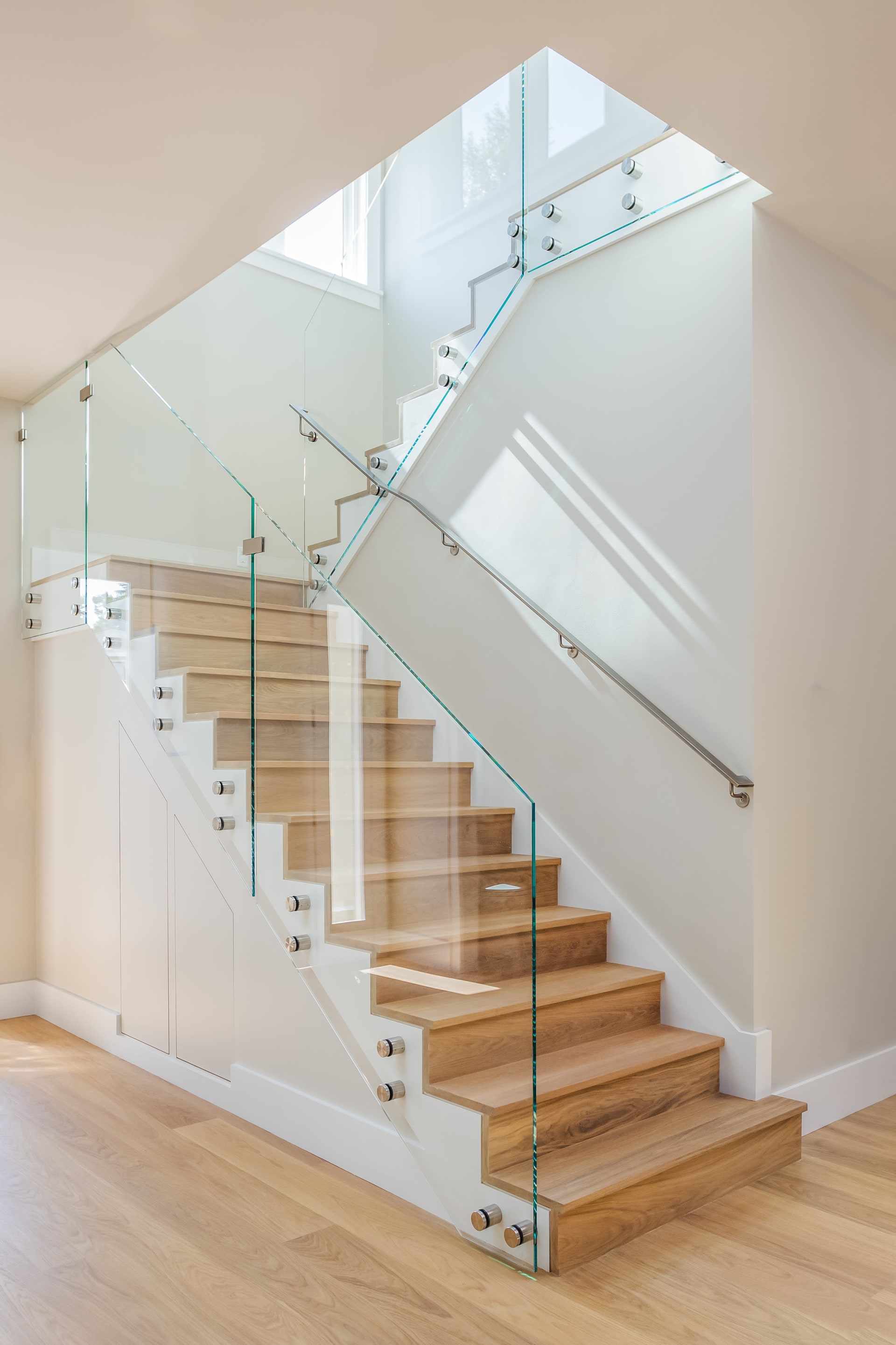
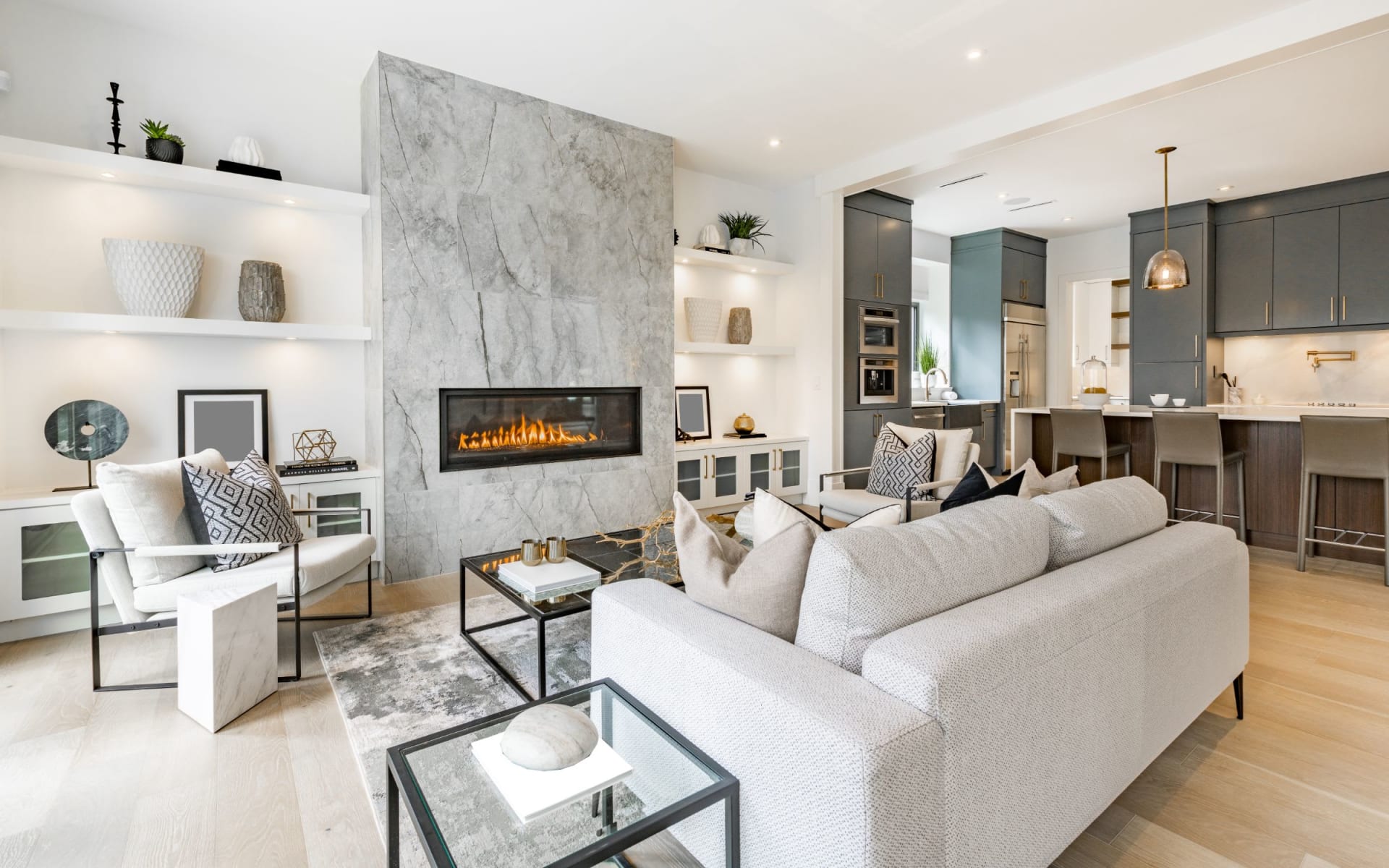
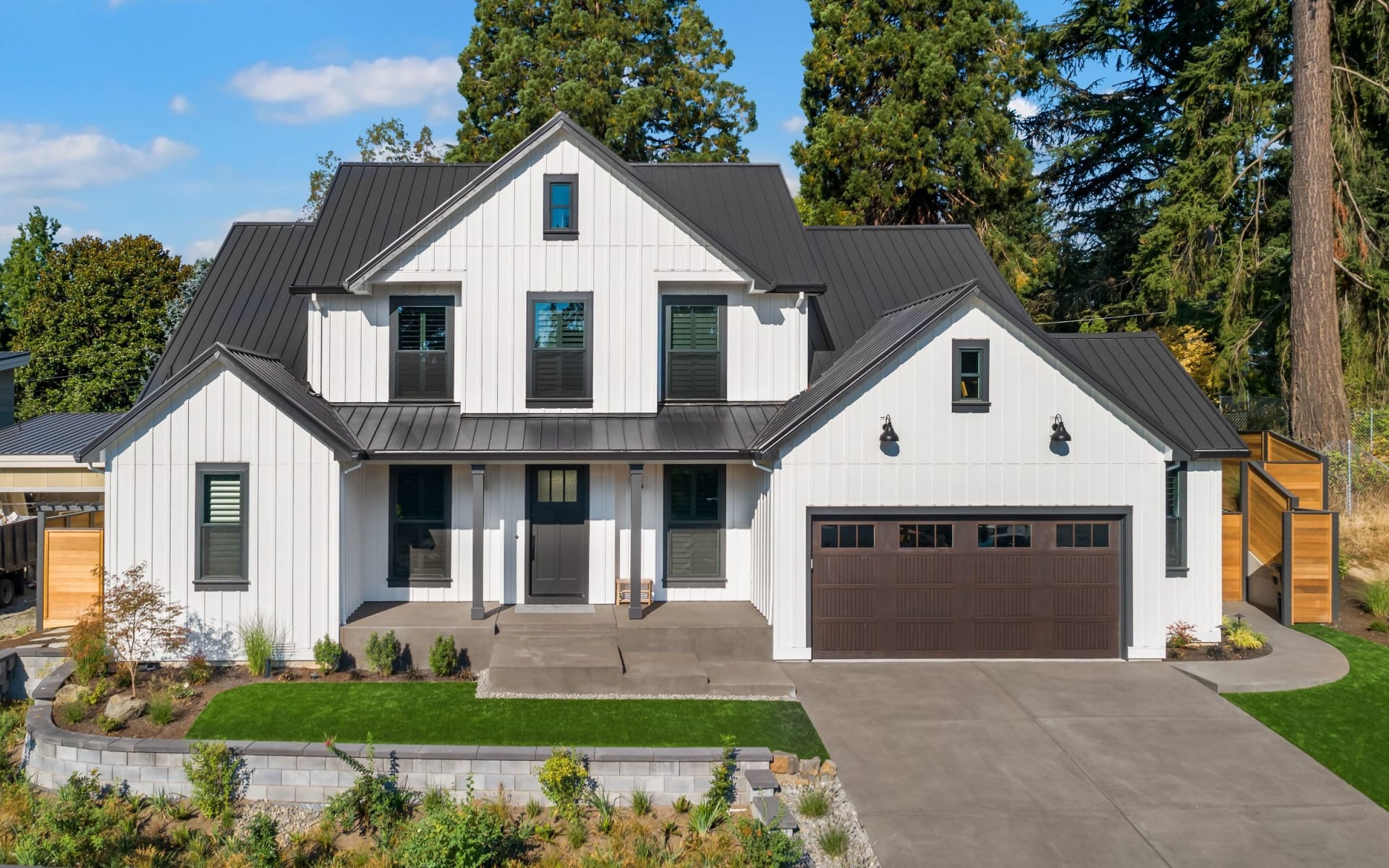
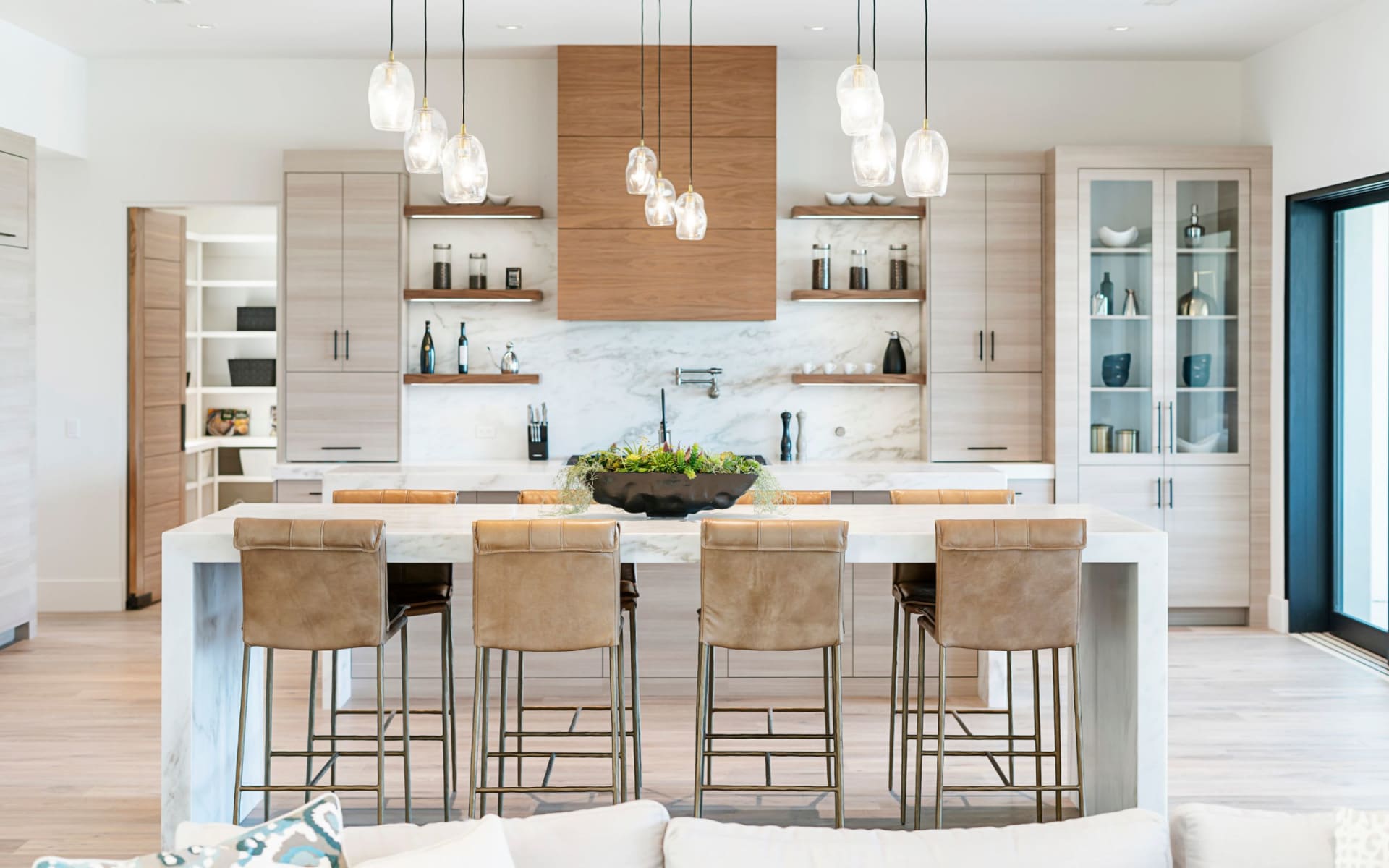
You want a modern East Austin home that fits your lifestyle without the surprises that can come with older houses. You also want a smart plan, clear steps, and confidence from contract to closing. This guide gives you exactly that. You will learn what to ask builders, how permits and timelines work in Austin, what to inspect, and how new builds compare to renovated bungalows so you can buy with clarity. Let’s dive in.
Why East Austin new construction
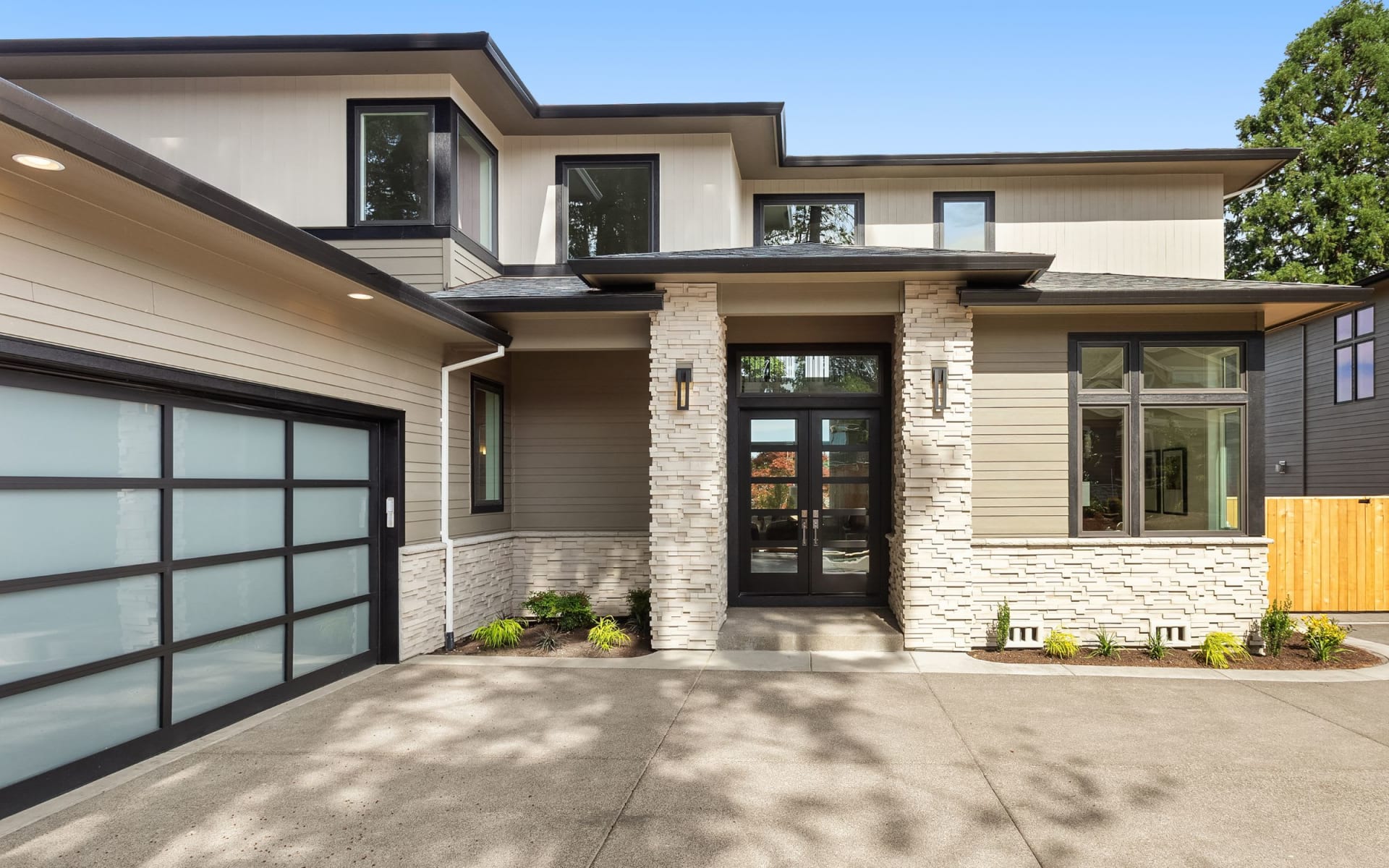
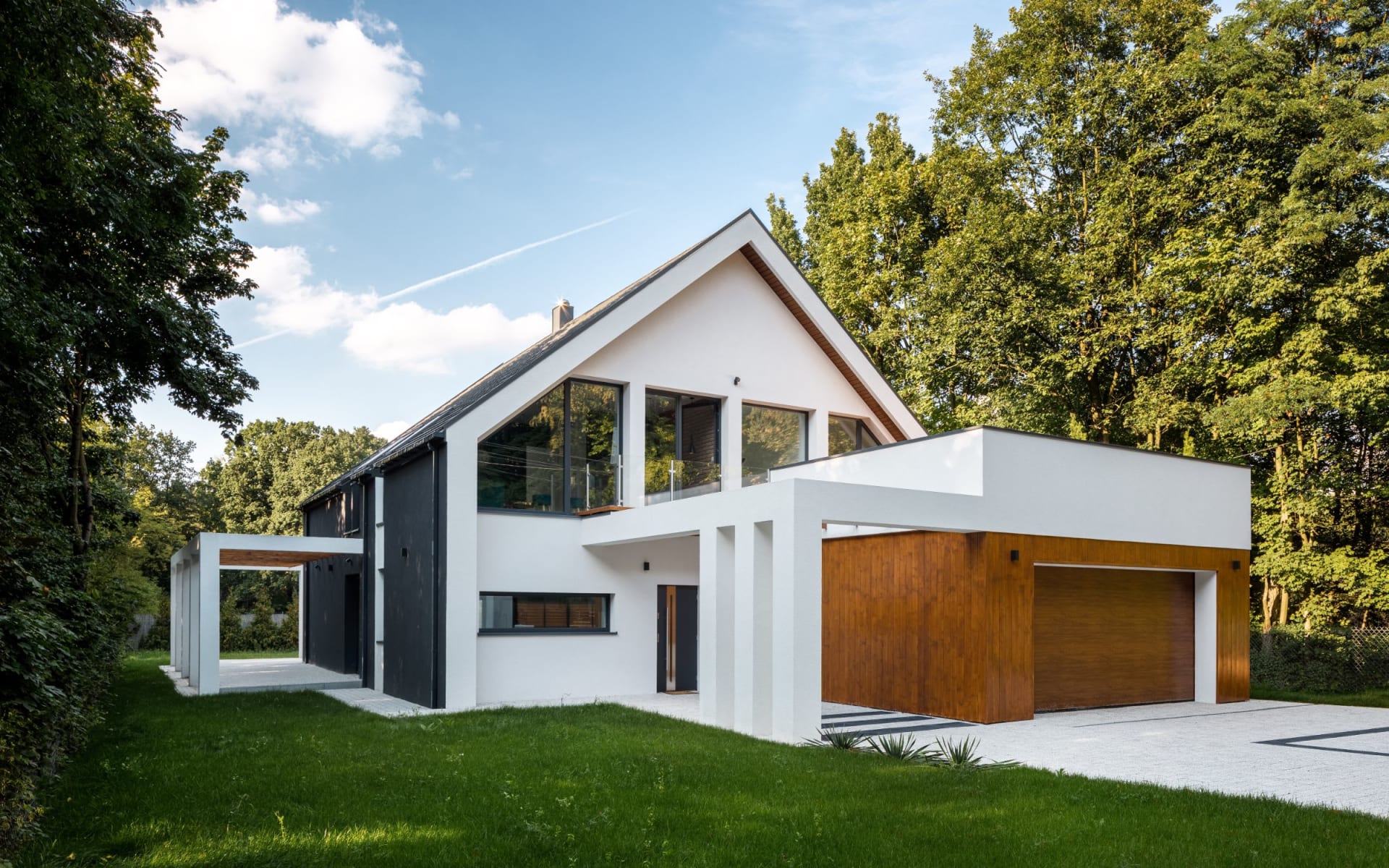
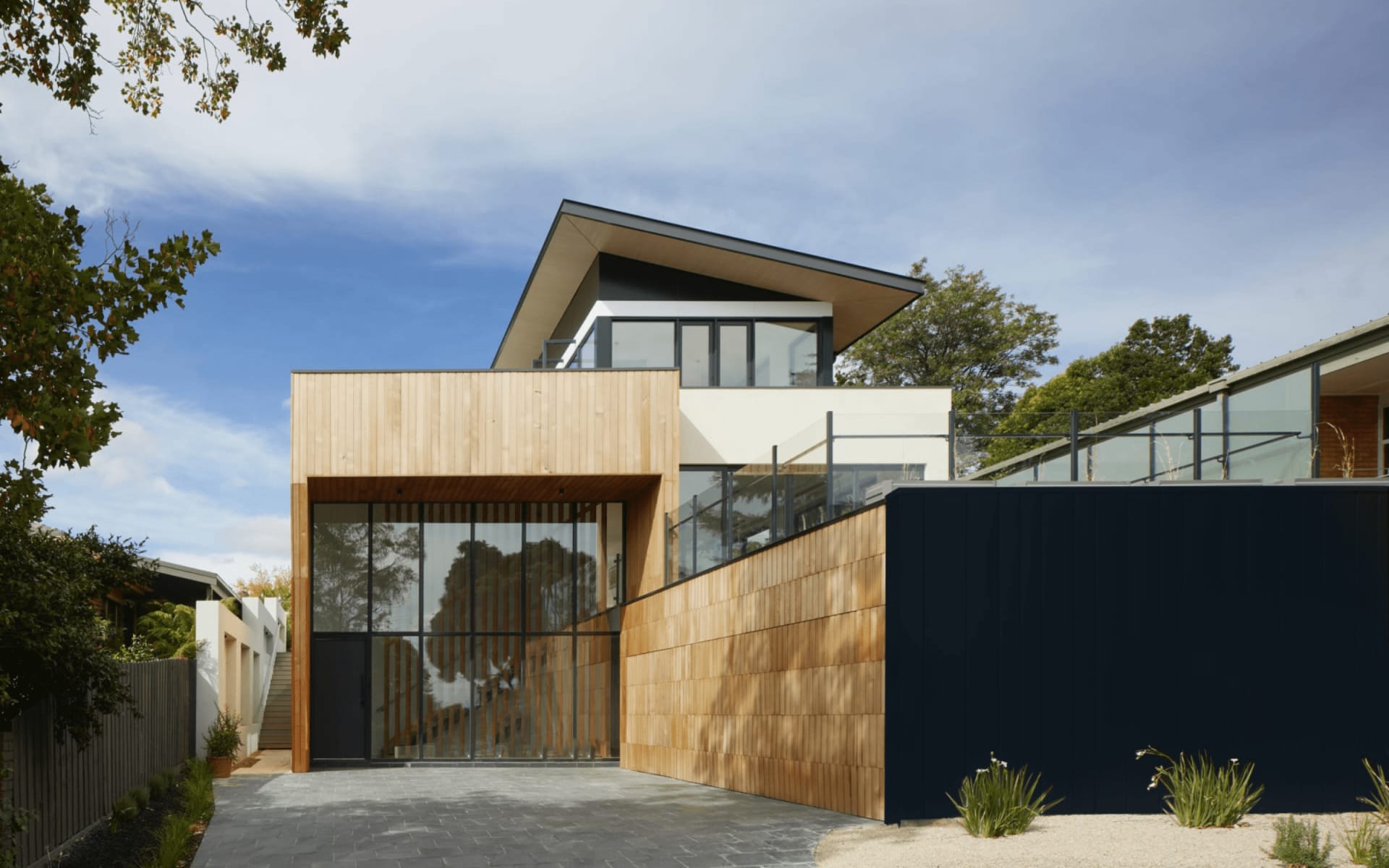
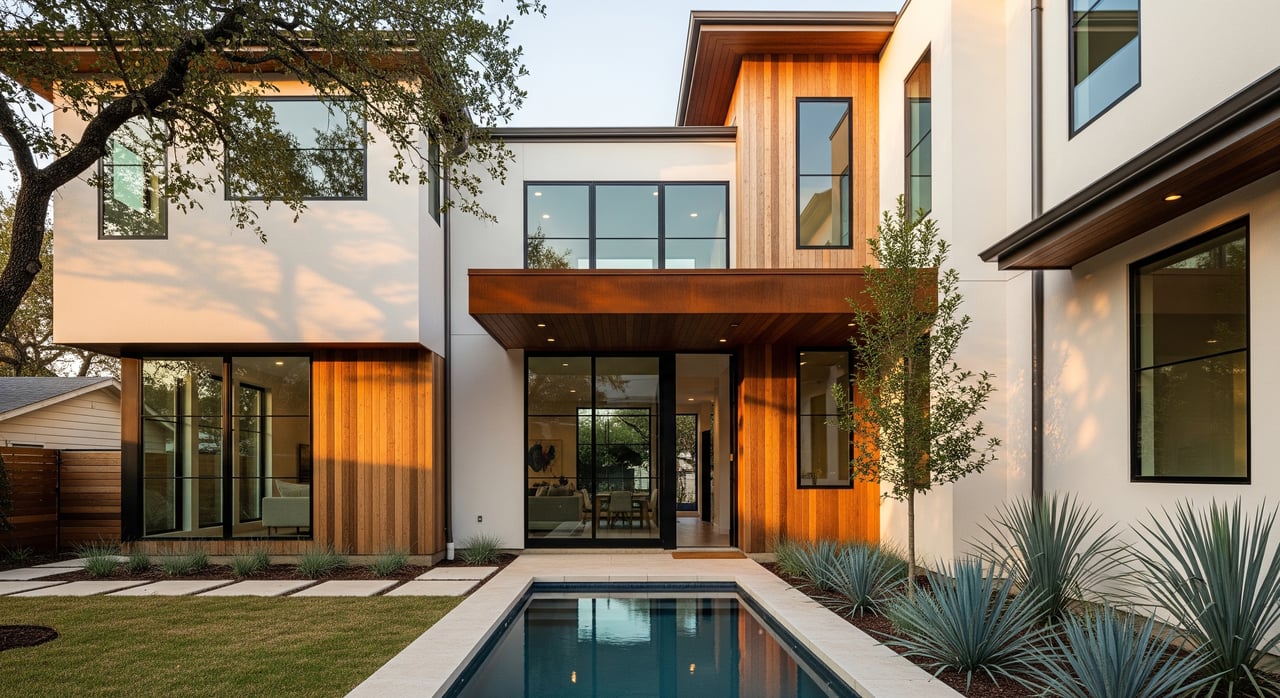
East Austin has surged with infill and redevelopment as buyers seek contemporary design, energy efficiency, and proximity to downtown, dining, and transit corridors. New homes often feature open floor plans, clean finishes, rooftop spaces, and courtyards that suit urban living.
There are tradeoffs to weigh. New builds commonly sit on smaller lots with narrower frontage and different curb presence compared to historic bungalows. In return, you gain modern systems, warranties, and lower near‑term maintenance risk. Your goal is to match the right home to the right block so you protect enjoyment and future resale.
Product types you will see
East Austin offers a mix of ownership and build formats. You will likely encounter:
- Small‑lot single‑family. Multi‑story homes on narrow lots, sometimes close to lot lines, designed to maximize interior volume and outdoor enclaves.
- Townhomes or rowhomes. Often fee‑simple or condo ownership with denser footprints near commercial corridors.
- Semi‑custom and custom infill. One‑off builds by boutique local teams for buyers who want specific aesthetics or higher‑end finishes.
- Small multifamily. Duplexes or similar forms that add density along key streets and mixed‑use areas.
Each option comes with different maintenance, HOA, financing, and timeline considerations. Clarify ownership type, common area obligations, and any condo or HOA rules early.
Vet and select your builder
You will see three general builder categories in East Austin, each with advantages:
- National or volume builders. Standardized plans, faster delivery, and third‑party warranty administration with predictable upgrade pricing.
- Regional or local production builders. Balanced customization and scheduling, plus strong familiarity with Austin permitting and subcontractor networks.
- Boutique or custom builders. Greater design control and finish choice with more involvement in selections and timelines.
What to verify before you fall in love with a floor plan:
- Track record. Ask for completed East Austin projects and recent buyer references.
- Permitting experience. Confirm familiarity with City of Austin code, tree‑protection rules, drainage, and utility coordination.
- Warranty structure. Learn who backs the warranty, coverage terms for workmanship, systems, and structural elements, and how claims are handled.
- Change‑order process. Understand allowances, how upgrades are priced, and when selections are due.
Permits and site realities in Austin
New construction must be properly permitted. A Certificate of Occupancy or final inspection signoff is typically required before your financing converts from construction to a standard mortgage. Ask the builder for the building permit number and approval status.
Site constraints can affect design, timing, and livability:
- Floodplain. Some East Austin parcels sit in or near regulated floodplains. Check FEMA and City maps and request the site’s grading and stormwater plan.
- Trees and right‑of‑way. Heritage trees, easements, and public right‑of‑way requirements can shape setbacks and placement.
- Utilities. Austin Energy and Austin Water connections, capacity, and tap fees can impact cost and schedule.
Request copies of the approved site plan, tree permits, and drainage details. These documents help you gauge future maintenance and backyard usability.
Timeline and financing basics
Timelines vary by product and site conditions.
- Production homes with permits. Often 4 to 9 months from groundbreaking to Certificate of Occupancy.
- Semi‑custom or custom infill. Often 6 to 12 months or more based on complexity, weather, inspections, and labor availability.
- Permitting. Can range from weeks to many months if variances or special approvals are required.
Financing pathways to discuss with your lender:
- Construction‑to‑permanent loans. A one‑close or similar structure that converts to a long‑term mortgage after completion.
- Standalone construction loans. Separate qualification and draw inspections with a later refinance to a permanent loan.
- Conventional, FHA, and VA options. Underwriting and appraisal requirements differ for new builds. Some programs need completion documents, warranty details, or occupancy proof before conversion.
Action steps for you:
- Get preapproved with a lender experienced in Austin new construction.
- Ask whether a Certificate of Occupancy is required to close and how draw inspections work.
- Coordinate appraisal timing with the builder if the appraiser needs a market value as completed analysis.
Inspections, punch lists, and warranties
Even brand‑new homes deserve independent eyes. Commission third‑party inspections at key milestones such as foundation, framing, and final. Add mechanical checks for HVAC, plumbing, and electrical. If the builder markets energy performance, request blower‑door or HERS results when available.
Before closing, complete a thorough final walk‑through and build a punch list. Document items to be corrected and verify the process and timeline to address them.
Most builders offer tiered warranties that commonly look like 1 year for workmanship, 2 years for systems, and 10 years for structural elements. Confirm who administers the warranty, what is covered, and whether it transfers to a future owner. Transferability supports resale.
Quality and design essentials to review
Small urban lots raise the bar for smart design and durable construction. Focus your due diligence on:
- Foundation and drainage. Ask for the civil or grading plan, and review retaining walls, swales, and downspout routing so heavy rain is managed well.
- Exterior durability. Review siding types, stucco details, flashing, roof assemblies, and UV exposure plans suited to Texas heat and rain.
- Mechanical systems. Check HVAC sizing and efficiency ratings, duct sealing, ventilation strategy, and water heater type.
- Electrical capacity. Confirm service amperage, panel space for an EV charger, and conduit for future upgrades.
- Insulation and windows. Ask about R‑values, window performance, and any third‑party energy ratings.
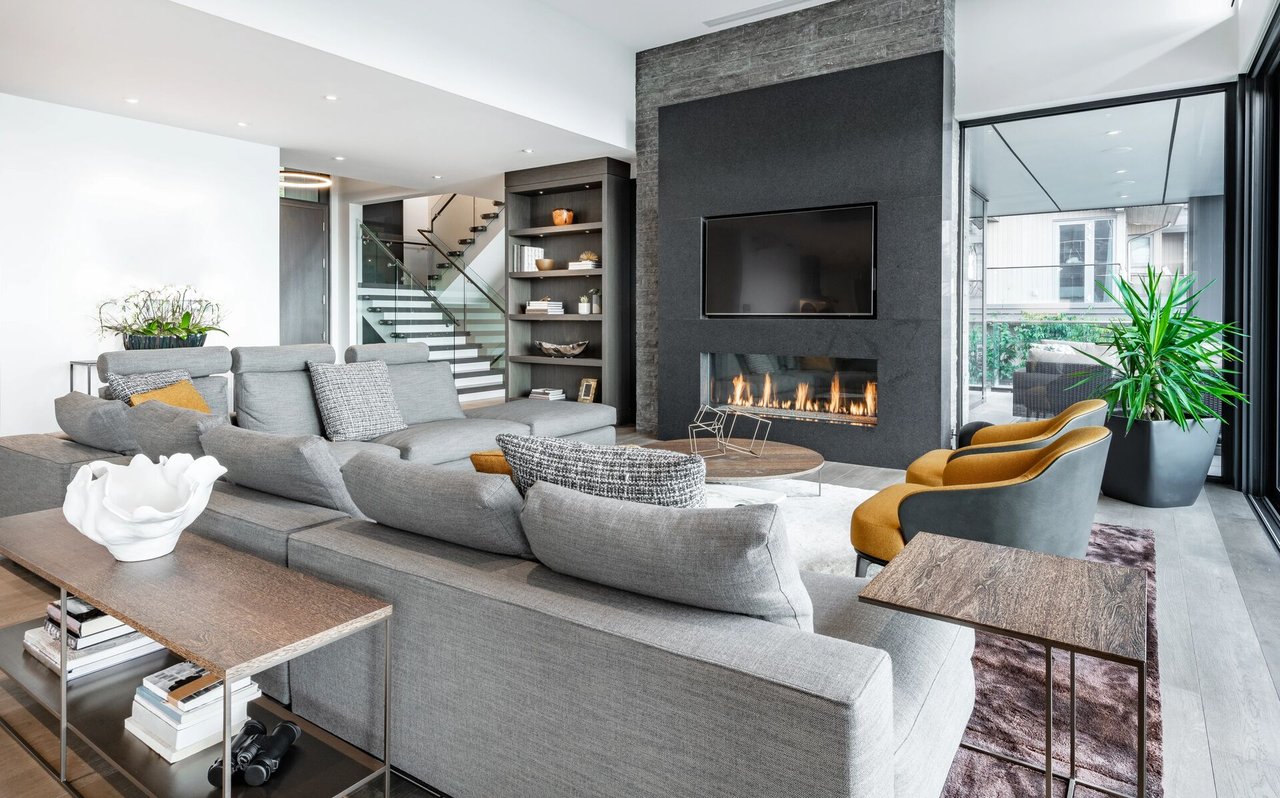
Design features that resonate with East Austin buyers include open living plans with flexible work zones, strong natural light, outdoor living that extends the interior, high ceilings on the main level, built‑ins for storage, and durable flooring with modern kitchens and baths. Smart‑home readiness is a plus.
New build vs renovated bungalow
Both paths can work in East Austin. Here is how to think about the tradeoffs:
- New construction advantages. Lower near‑term maintenance, modern systems, and warranties. Floor plans and tech that support contemporary lifestyles.
- Renovated bungalow advantages. Historic character and original details, often larger lots and mature landscaping. On certain blocks, restored homes can command premium per‑square‑foot values.
Resale depends on block‑level context. A modern infill can excel when it respects the neighborhood’s scale, offers usable outdoor space, and sits within walking distance of key corridors. Appraisals for new construction are based on completed comparables. Expect your property tax appraisal to adjust after purchase, possibly increasing annual taxes. Budget accordingly.
Field checklist for tours and builder meetings
Use this checklist to organize your search, whether you are touring a spec home, meeting a builder, or reviewing a listing packet.
- Builder and project background
- Verify recent East Austin completions and ask for buyer references.
- Review public permit history and consumer reviews.
- Permits and entitlements
- Confirm the building permit number and status.
- Request the approved site plan plus any tree and drainage permits.
- Floodplain, grading, and drainage
- Check flood maps for the parcel.
- Ask for the grading plan and stormwater design.
- Lot specifics
- Measure lot dimensions, setbacks, and backyard usability.
- Note window and deck placement relative to neighbors for privacy.
- Structural and mechanical specs
- Identify foundation type, framing, roof system, and exterior materials.
- Record HVAC details, water heater type, insulation, and window performance.
- Electrical and technology readiness
- Confirm main service amperage and panel capacity for future EV and solar.
- Ask about fiber internet options and smart‑home prewiring.
- Materials and finishes
- Get an itemized inclusions list and all allowances by line item.
- Clarify appliance models and finish warranties.
- Warranties and after‑sale support
- Request written warranty terms and who handles claims.
- Confirm the punch‑list process and timelines post‑closing.
- Price, upgrades, and cost controls
- Document base price, allowance amounts, and upgrade pricing rules.
- Clarify who pays for lot premiums, grading, or unforeseen site costs.
- Timeline and contingencies
- Review schedule milestones in writing.
- Ask how delays are handled and whether there are any penalties or protections.
- HOA or covenants
- Read CCRs, fees, and any restrictions on exterior changes or rentals.
- Financing and closing prerequisites
- Confirm lender experience with the builder.
- Verify if a Certificate of Occupancy or final inspection is required to close.
- Resale considerations
- Compare recent sales of new builds and renovated bungalows on the same block.
- Review days on market and price trends with local data.
- Neighborhood fit
- Map walkability to everyday needs and popular corridors.
- Note attendance boundaries, parks, and transit or commute routes.
Plan your next steps
If you value modern design, low maintenance, and an urban lifestyle, East Austin offers compelling options. The key is disciplined vetting. Start with lender preapproval suited to construction timelines, verify permits and site plans, inspect at critical stages, and understand the warranty and punch‑list process. Then compare the home to the block, not just the neighborhood, so your purchase aligns with how buyers will value it at resale.
If you want curated new‑build options, pre‑MLS opportunities, and a guided process from search to close, connect with Soud Twal. You will get concierge representation, clear communication, and local insight tailored to East and Central Austin.
FAQs
How long does new construction take in East Austin?
- Production homes often take 4 to 9 months, while semi‑custom or custom infill can run 6 to 12 months or more, with permitting and inspections adding time.
Should I order independent inspections on a brand‑new East Austin home?
- Yes. Hire third‑party inspectors for foundation, framing or pre‑drywall, mechanical systems, and a full final inspection before closing.
How do new‑construction warranties typically work in Austin?
- Many builders offer 1 year for workmanship, 2 years for major systems, and 10 years for structural coverage, with details and transferability set in writing.
Will a new East Austin build appreciate like a renovated bungalow?
- It depends on block context, lot size, finish quality, and neighborhood preferences; both can perform well when aligned with local demand.
What hidden costs should I plan for on a new build in East Austin?
- Common surprises include change orders, grading or drainage work, and higher property taxes after reassessment following completion or sale.
Do I need a construction loan to buy new construction in East Austin?
- For ground‑up custom projects, construction‑to‑perm or standalone construction loans are common; near‑completion spec homes may qualify for conventional financing.