If your ideal Austin day starts on a shady trail and ends with tacos on South Lamar, Barton Hills should be on your shortlist. You get big green spaces, a laid-back vibe, and quick access to downtown without feeling in the middle of it. In this guide, you’ll learn how everyday life feels, what homes look like, and what prices are doing right now in early 2026. Let’s dive in.
Barton Hills at a glance
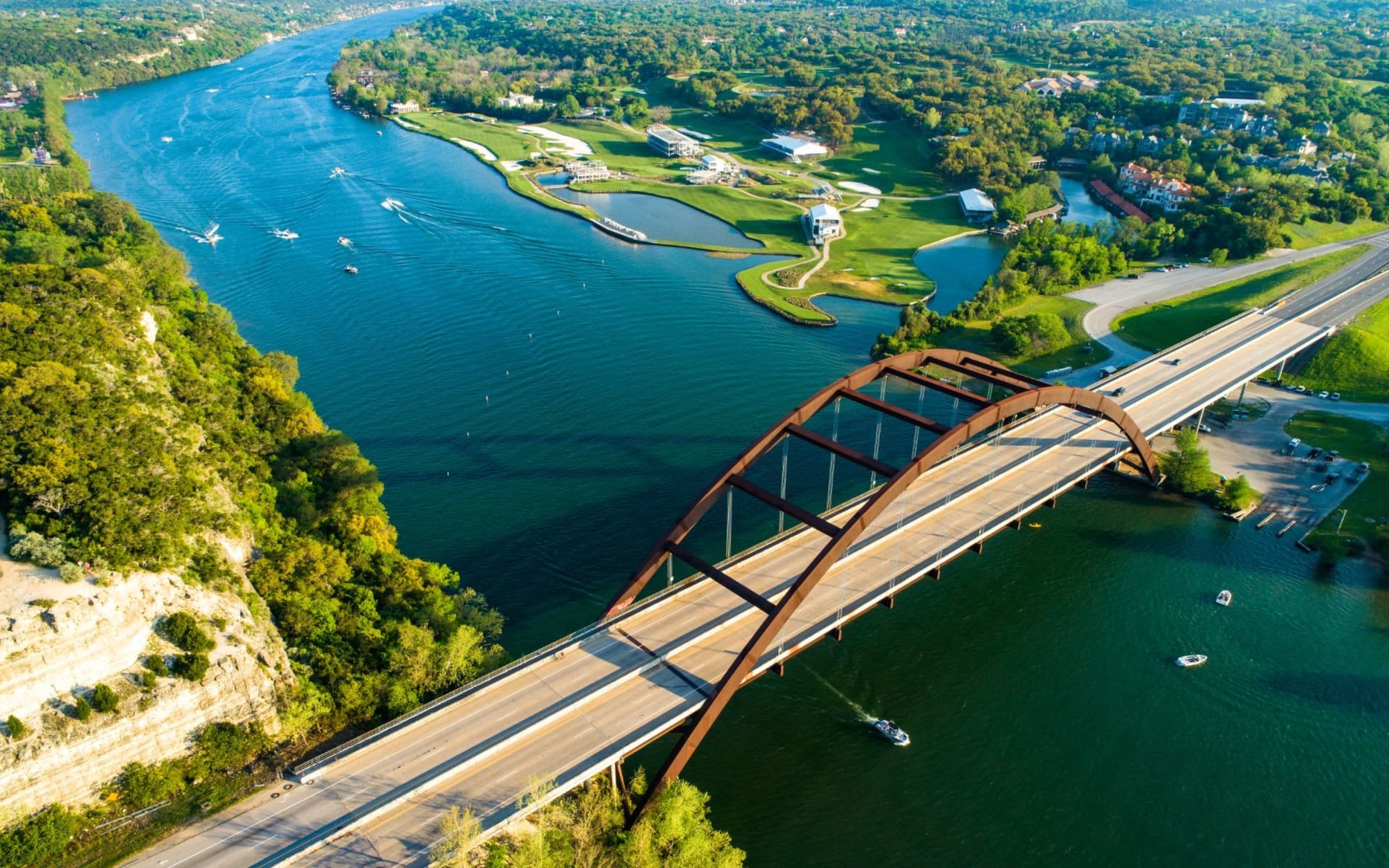
Barton Hills sits in 78704, just south of Zilker Park and Barton Springs. Local maps place it between Barton Springs Road to the north, South Lamar to the east, Barton Creek to the west, and the MoPac corridor farther west and south. For a helpful visual overview, review this neighborhood snapshot from Maps of Austin.
You are roughly 3–4 miles from the heart of downtown. A typical drive takes about 10–25 minutes depending on the block and traffic. Walkability shifts block-to-block. Northern streets near Zilker and South Lamar feel more walkable, while interior hills are quieter and more car-focused.
Outdoor anchors: Greenbelt and Zilker
Barton Creek Greenbelt
The Greenbelt is the neighborhood’s signature amenity. The City of Austin describes a 7–12+ mile network of trails and creek access points that locals use for hiking, mountain biking, and swimming. For many residents, the Greenbelt is a weekly routine, not a once-in-a-while outing. Explore official access points and trail details on the City of Austin’s Barton Creek Greenbelt page.
Zilker Park and Barton Springs
On the north side, you can bike or walk to Zilker Park and Barton Springs from many Barton Hills blocks. Zilker hosts major events, including Austin City Limits, plus daily recreation like open fields and paddling. For event context and programming, see the City’s Austin City Limits information.
Dining and culture near home
South Lamar and Barton Springs corridor
South Lamar and Barton Springs Road offer a wide mix of restaurants, brewpubs, and food-truck parks that act as the neighborhood’s commercial spine. The Picnic food-trailer park is a classic nearby stop. Get a feel for it via this Visit Austin overview of The Picnic. Kerbey Lane’s South Lamar location is another local staple; browse current hours and locations at Kerbey Lane Cafe.
Local arts and programming
Just by Zilker, the UMLAUF Sculpture Garden & Museum provides outdoor sculpture gardens and community programs, adding a small-scale cultural anchor close to home. During festival weekends, you should expect heavier traffic and extra energy near Zilker.
Day-to-day neighborhood feel
Barton Hills is largely residential with tree-lined streets and rolling topography. You’ll see a blend of preserved mid-century homes and newer contemporary builds. Blocks closest to Zilker and South Lamar feel livelier and more walkable. Interior streets read quieter and more suburban in scale, with active neighborhood groups focused on greenbelt and local planning topics.
Housing and architecture
Mid-century roots
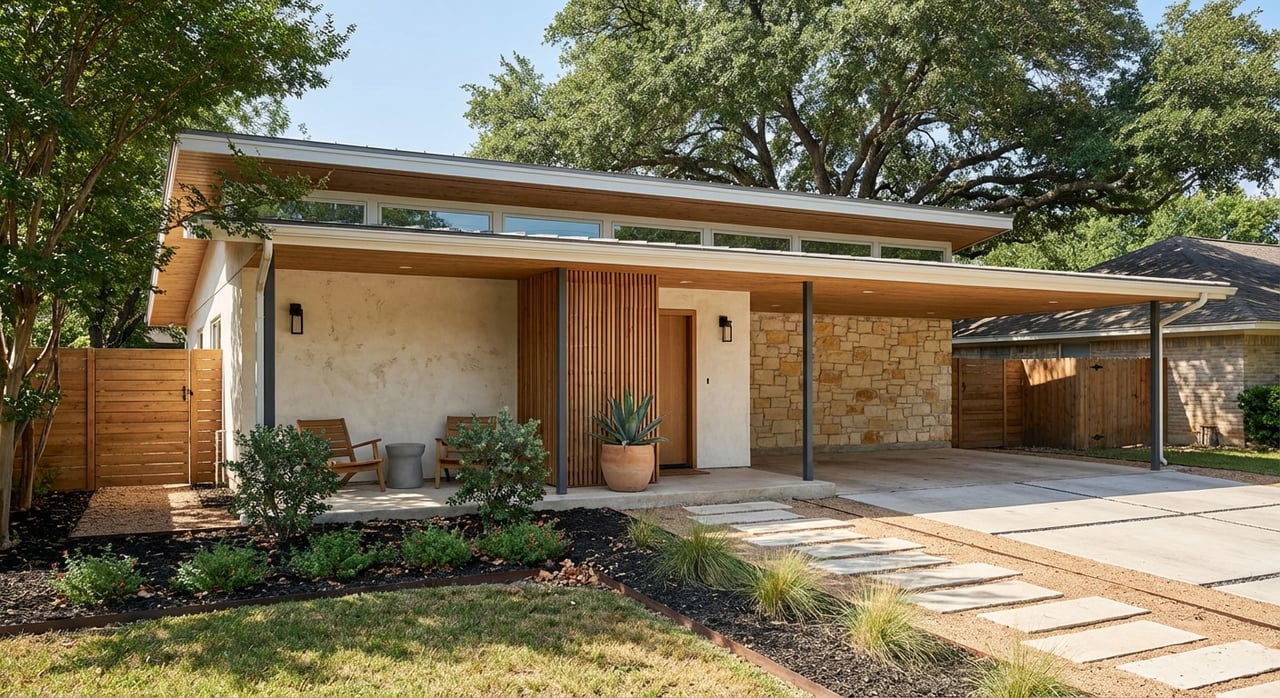
Many original homes date from the 1940s–1960s and include ranch-style and mid-century modern designs, often single-story with large windows and an indoor-outdoor feel. Local historic materials highlight notable examples and ongoing evaluation of property-level historic value. For context, review this Historic Landmark Commission reference touching Barton Hills’ mid-century fabric (City Board materials).
Renovation and infill
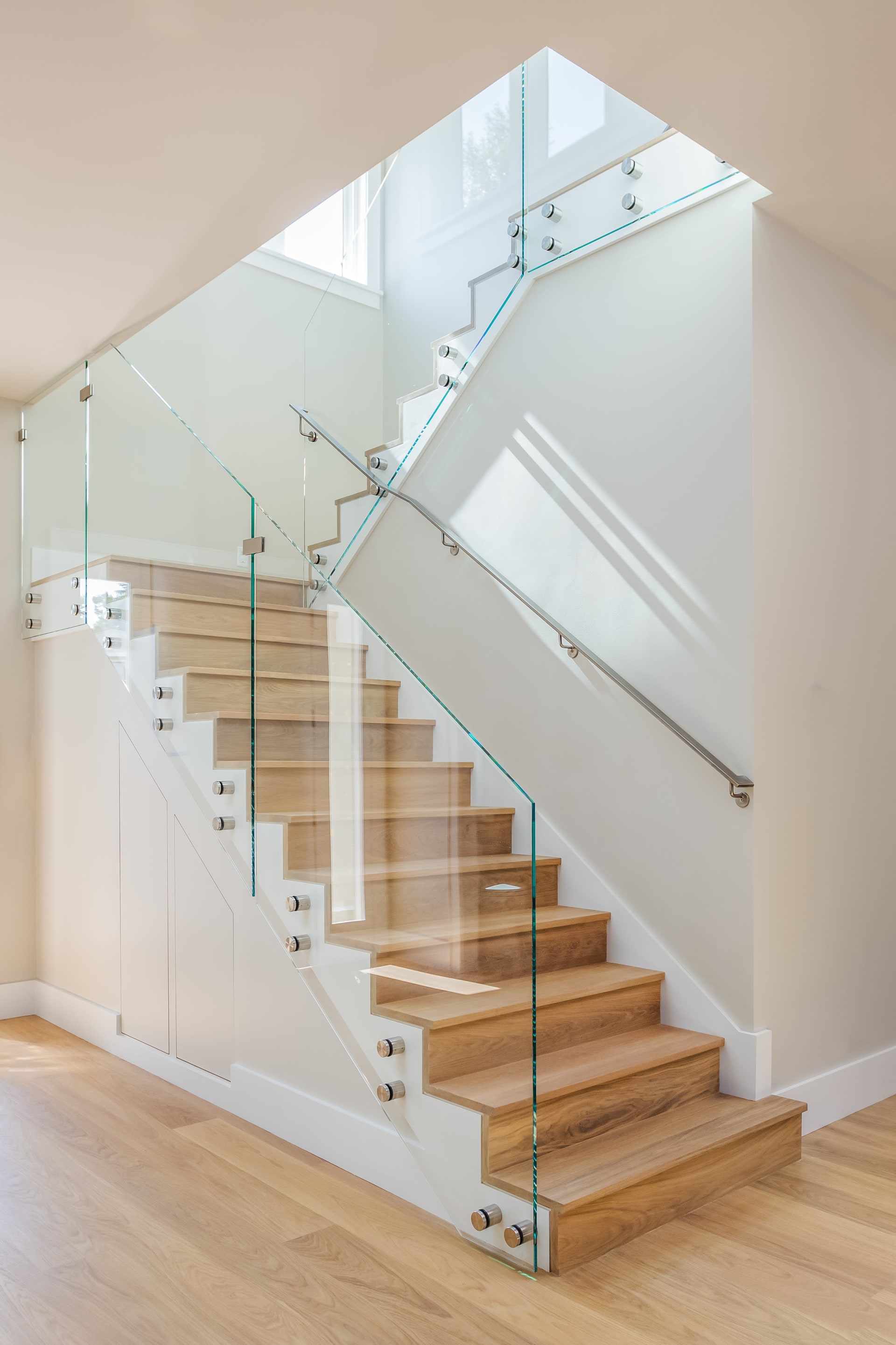
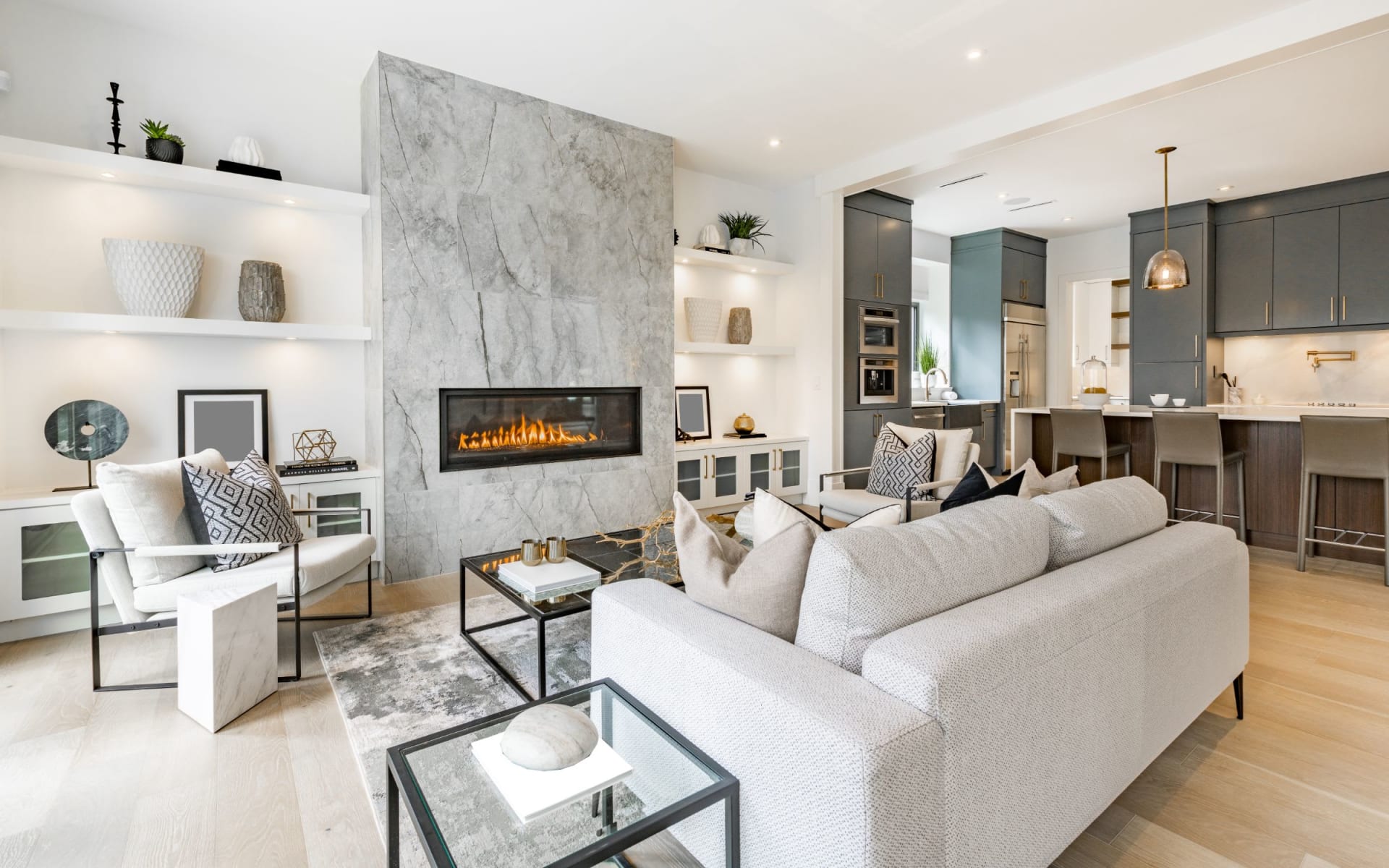
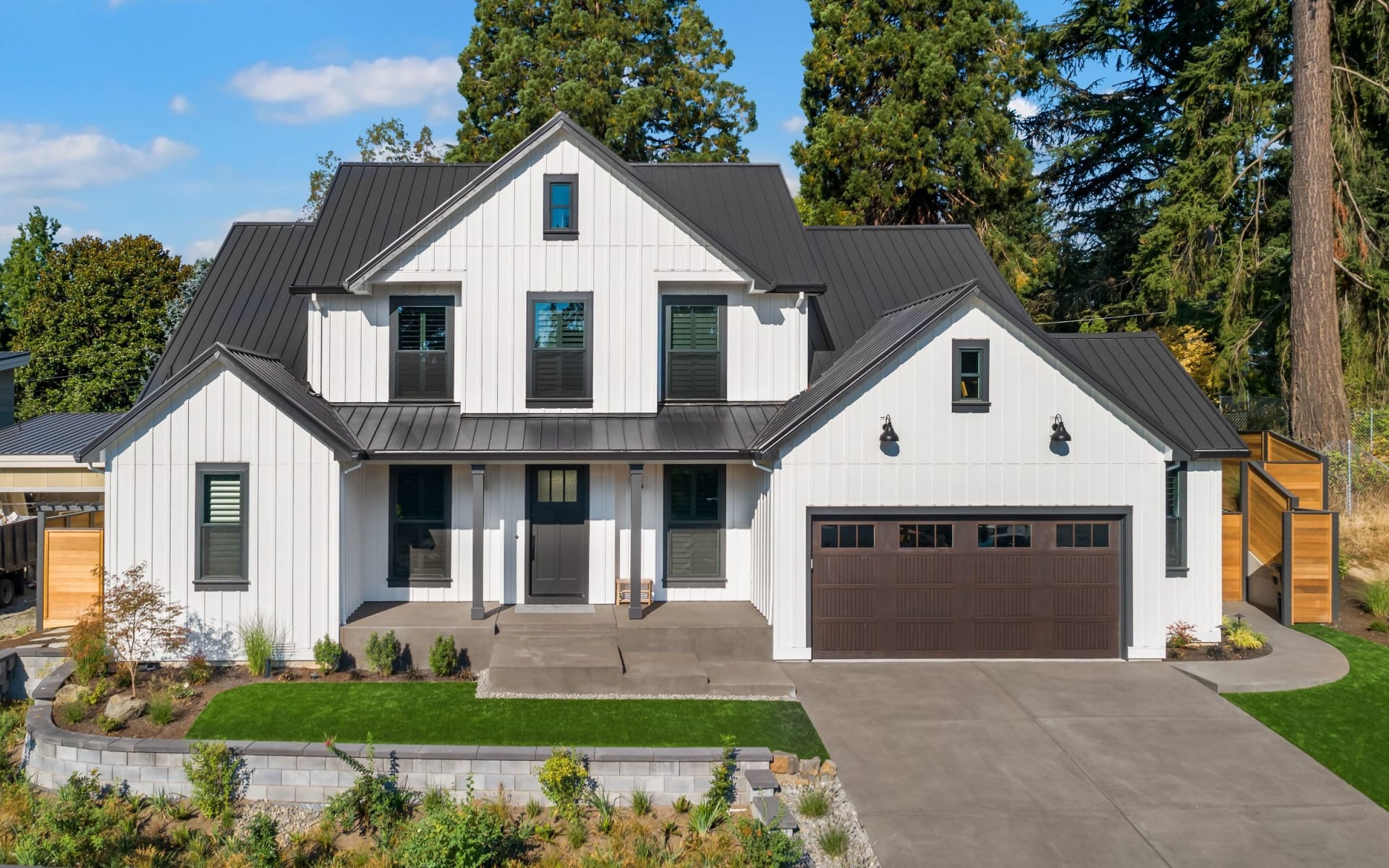
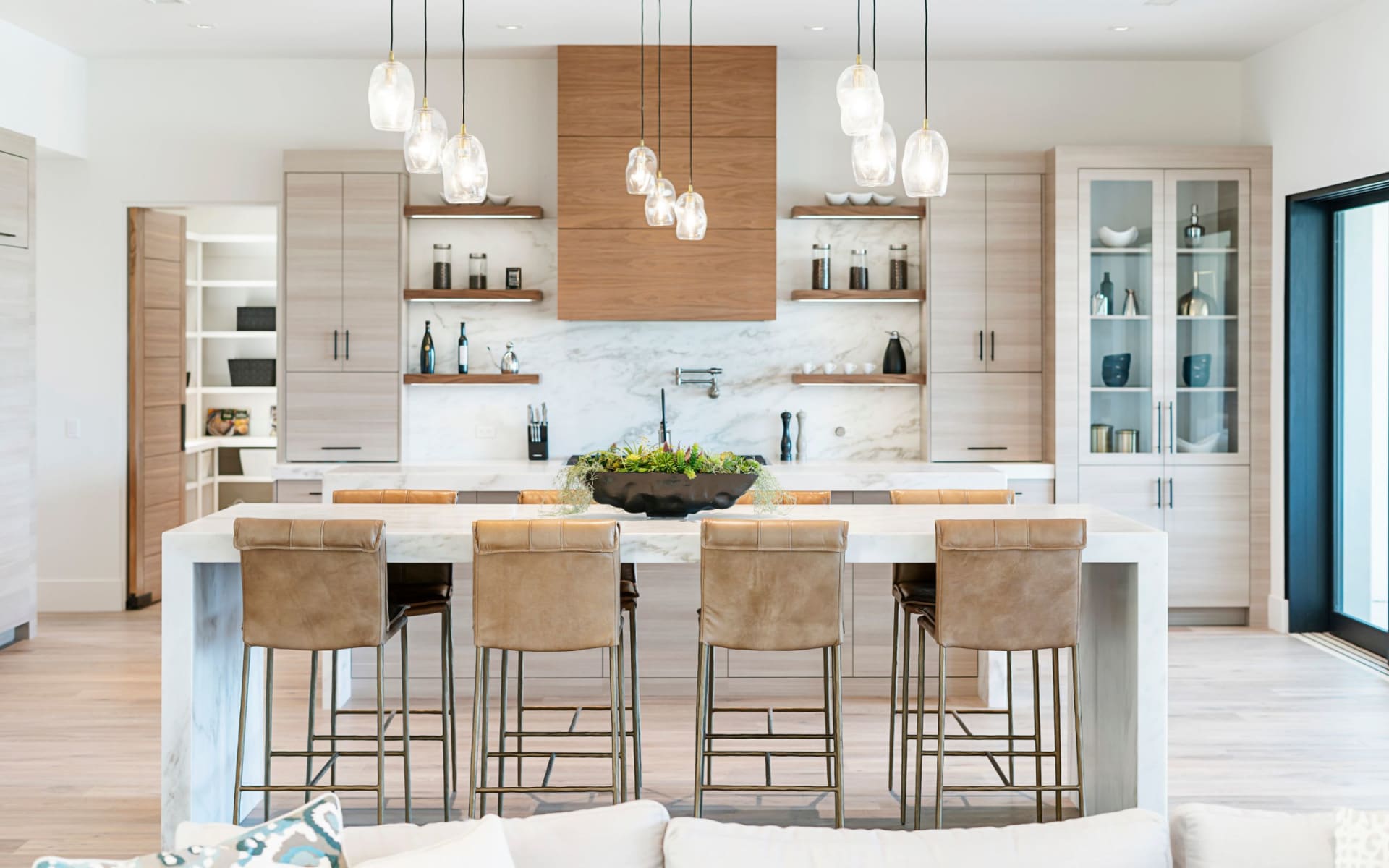
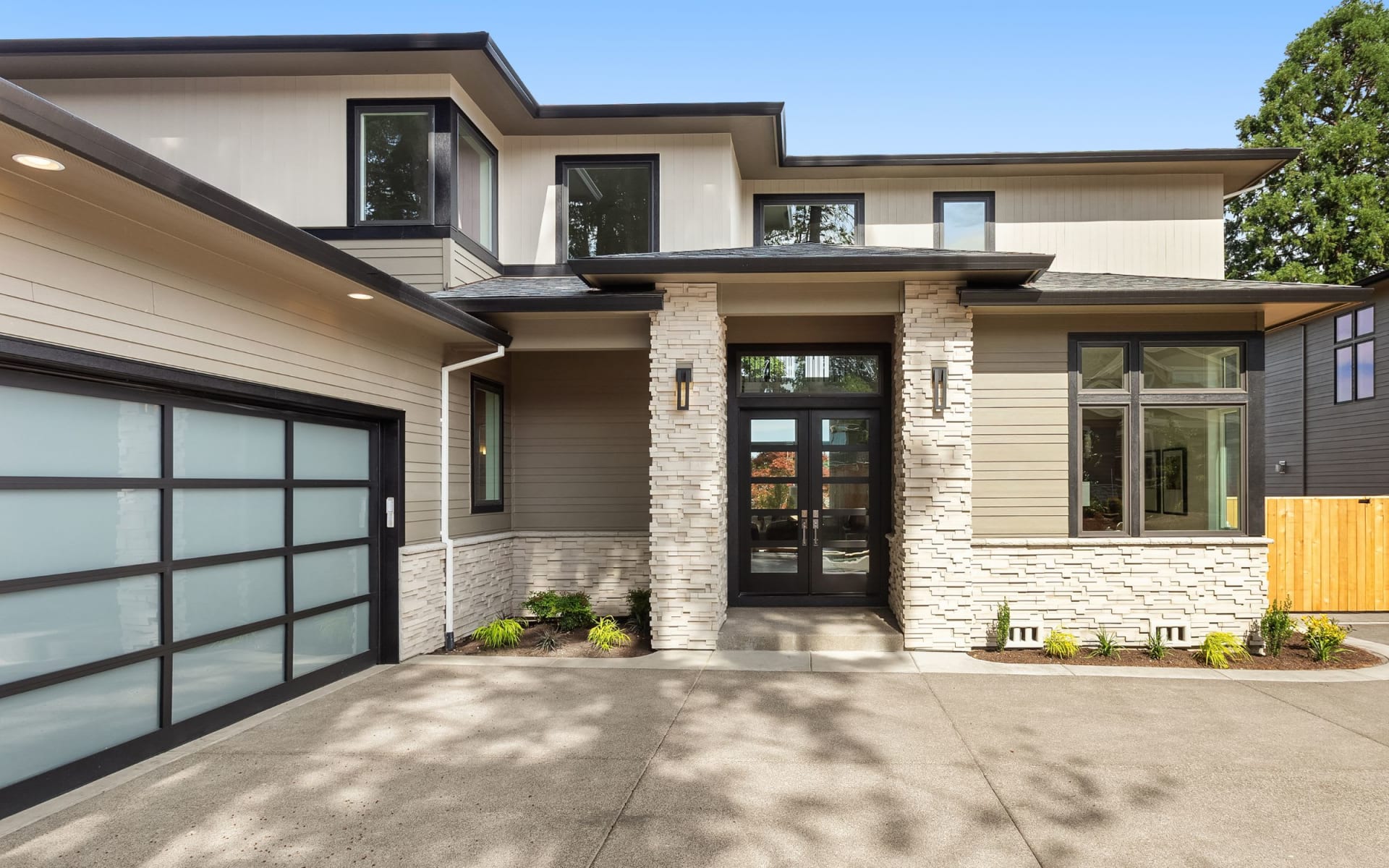
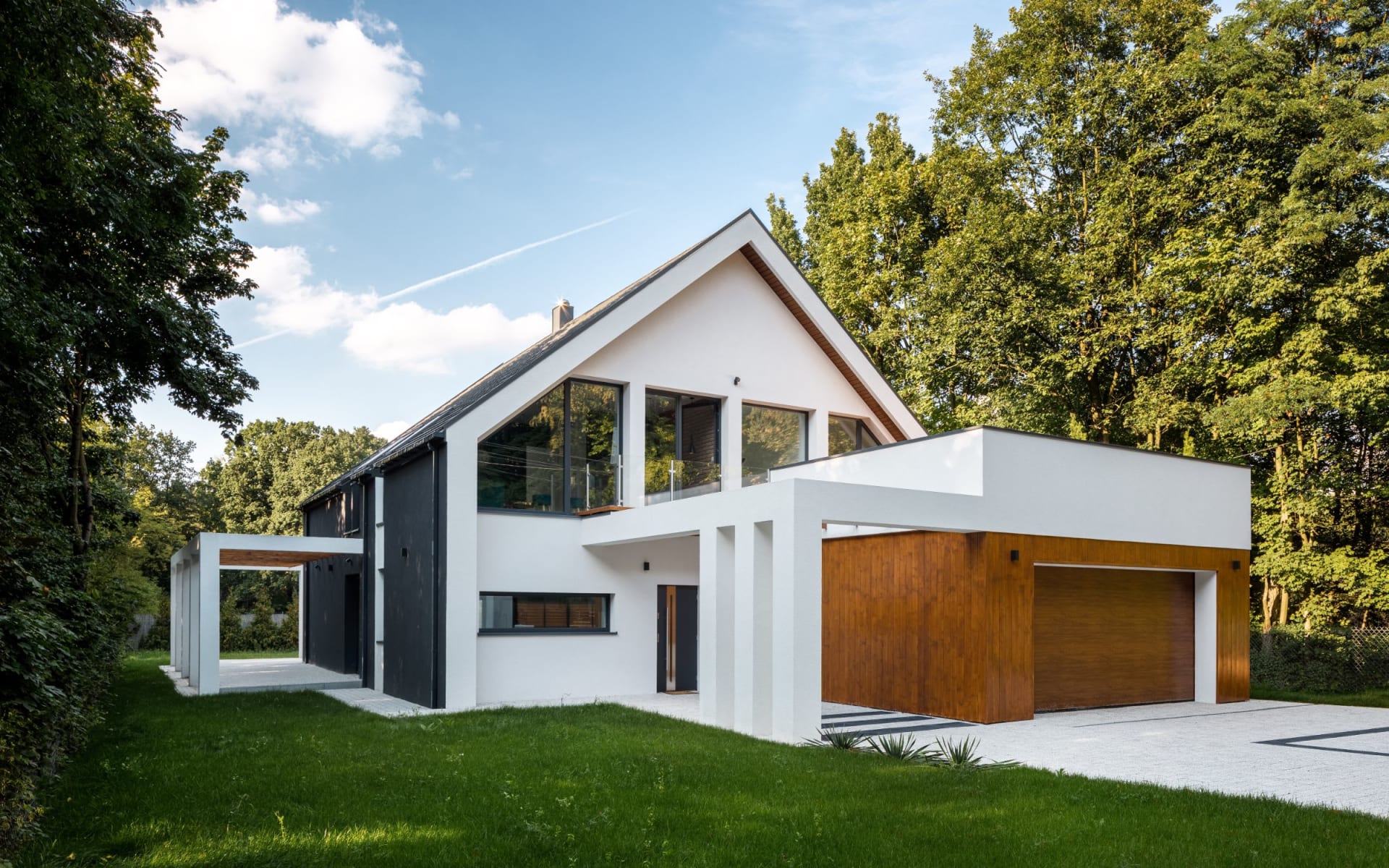
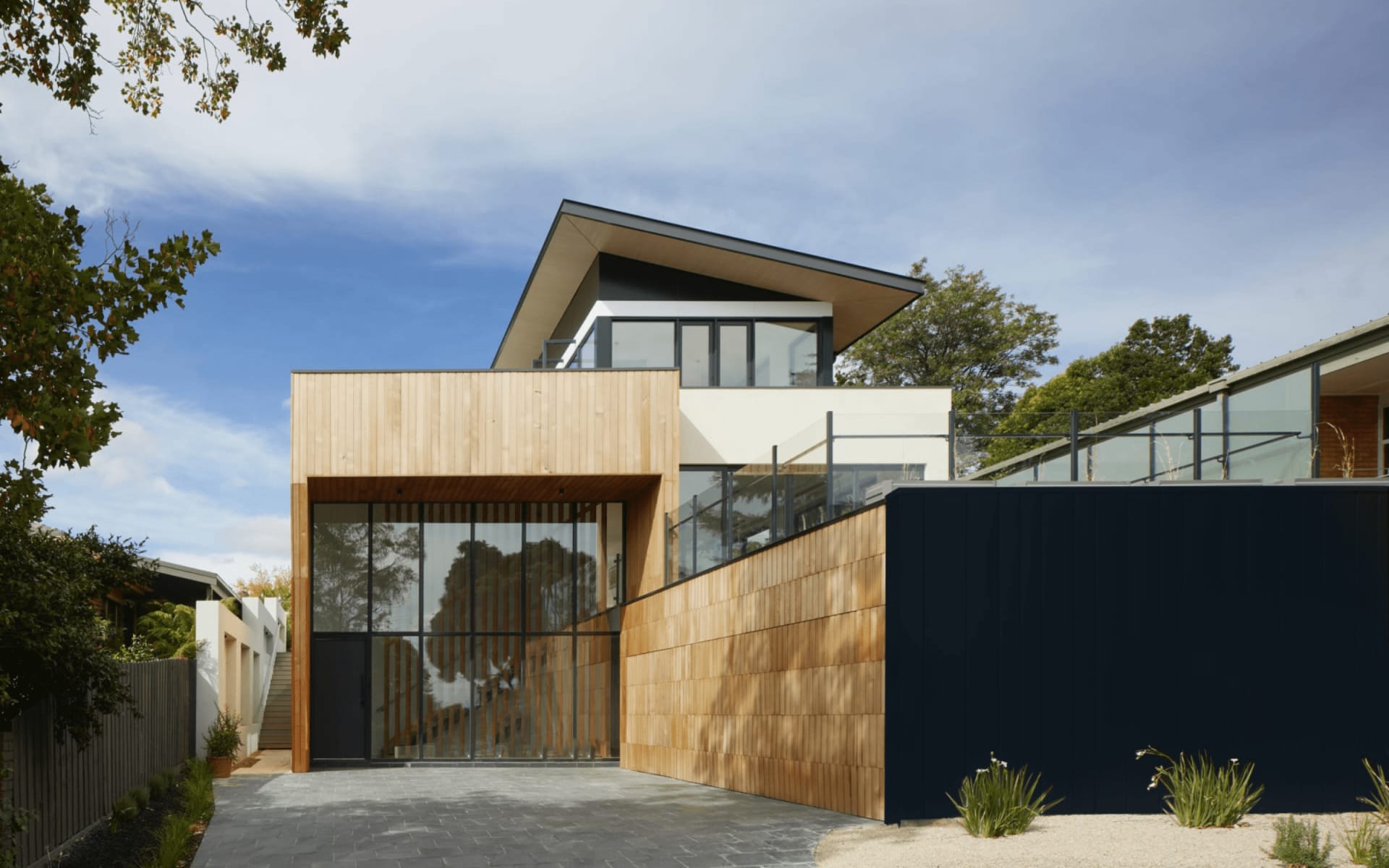
Because of lot sizes and the central location, you’ll find a steady pattern of renovations and full rebuilds. Newer homes often add square footage, multiple levels, and modern amenities. Closer to main corridors, you may also see smaller condos and townhomes mixed into the fabric.
Price snapshot, early 2026
Prices vary by property type, size, and finish. Here’s a neighborhood-level orientation with the provider and period noted:
- Redfin median sale price, January 2026: about $1,335,000. Median price per square foot was about $627, and median days on market were roughly 89.
- Realtor.com median, December 2025 reporting: about $1,480,585.
- Zillow ZHVI, index through January 31, 2026: about $844,733.
Different data sources use different methods. Zillow’s ZHVI is a smoothed index across home types, while Redfin and Realtor.com publish monthly medians from recent MLS activity, which can swing more in a low-volume month.
What this means for you in practical terms:
- Condos and smaller units near main roads or established complexes often appear in the low-to-mid $300k–$600k range for 1–2 bedroom homes, depending on updates and any direct Greenbelt adjacency.
- Original or modestly renovated single-family homes commonly range from about $800k–$1.6M.
- Newer rebuilds and larger contemporary homes on prime lots often list from about $1.8M up to $3M or more.
Use these as broad guideposts. Your specific options will depend on exact location, lot, updates, and current inventory.
Getting around: cars, bikes, and buses
CapMetro routes run along nearby corridors like South Lamar and Barton Springs, but most residents rely on cars for daily errands unless they live very close to those streets. Recreational bike access is strong thanks to the Greenbelt and Zilker connections. Walkability varies by block, so if a car-light lifestyle matters, it helps to compare addresses with a tool like Walk Score.
Schools and family life
Barton Hills Elementary sits within the neighborhood and has historically fed into O. Henry Middle School and Austin High School. Austin ISD is working through consolidation and boundary updates that may change attendance zones in the 2026–2027 school year. Always verify your address and boundary details with the district’s latest updates on AISD’s consolidation page.
Families often appreciate the neighborhood’s access to outdoor learning. Barton Hills Elementary’s materials describe Greenbelt-based programming that ties classroom lessons to the local creek. You can get a flavor of the school’s community resources from its site pages, such as this overview of programming and culture (Barton Hills Elementary resources).
Pros and tradeoffs
- Pros: direct Greenbelt access, proximity to Zilker and Barton Springs, strong dining choices along South Lamar, and a short commute to downtown.
- Tradeoffs: higher price points than many outer neighborhoods, event traffic near Zilker during festival weekends, and walkability that changes a lot by block. Interior hills can feel more car-dependent.
Who Barton Hills fits
If you want daily access to trails and water, easy weekend culture, and a quick downtown reach, Barton Hills lines up well. Design-minded buyers who like mid-century character or modern new construction also find strong options here. If you are relocating and want a central base without a high-rise feel, this neighborhood can make sense.
How to start your search
Clarify your priorities first: walkability to Zilker, direct Greenbelt access, a mid-century renovation, or a turn-key modern build. Then set a budget range using the early 2026 snapshot above. Finally, preview both active and coming-soon options, since inventory in Barton Hills is selective and timing matters.
If you want tailored guidance, private first looks at off-market and new-construction opportunities, and a smooth, concierge process from search to close, connect with Soud Twal. We’ll align on goals, refine your target blocks, and move quickly when the right home appears.
FAQs
Is Barton Hills walkable to Zilker Park and Barton Springs?
- Many northern blocks are walkable or bikeable to Zilker and Barton Springs, while interior and southern hills are more car-dependent; compare specific addresses with tools like Walk Score.
What are typical home prices in Barton Hills in early 2026?
- Recent snapshots show medians around $1.3M–$1.5M from monthly MLS-based sources, with Zillow’s smoothed index near $845k; individual homes vary widely by size, finish, and location.
What kinds of homes are common in Barton Hills?
- You’ll see mid-century ranch and modern-leaning designs, plus many contemporary rebuilds that add square footage and modern amenities.
How long is the commute from Barton Hills to downtown Austin?
- You are roughly 3–4 miles from downtown, so drive times often range from about 10–25 minutes depending on your block and current traffic.
Which schools serve Barton Hills?
- Barton Hills Elementary is in the neighborhood, with historic feeders to O. Henry Middle and Austin High; verify your specific address due to AISD boundary updates for 2026–2027.