If you picture lake living as a constant vacation, Lake Austin may surprise you. It offers boating, paddleboarding, and big water views, but it also runs on rules, routines, and shoreline realities that shape everyday life. If you are considering a home near Lake Austin in Travis County, this guide will help you understand how the lake actually feels to live on and what that means before you buy. Let’s dive in.
Lake Austin at a Glance
Lake Austin is a reservoir on the Colorado River and part of the Highland Lakes system. It sits between Lake Travis and Lady Bird Lake, and the City of Austin describes it as a narrow pass-through lake with a constant water level and no extra capacity to store floodwaters.
That steady water level is a big part of the appeal. It helps create a more predictable waterfront setting for daily use, especially compared with lakes that rise and fall more dramatically. At the same time, Lake Austin is also a major drinking-water source, so ownership and recreation come with more oversight than some buyers expect.
Everyday Rhythm on Lake Austin
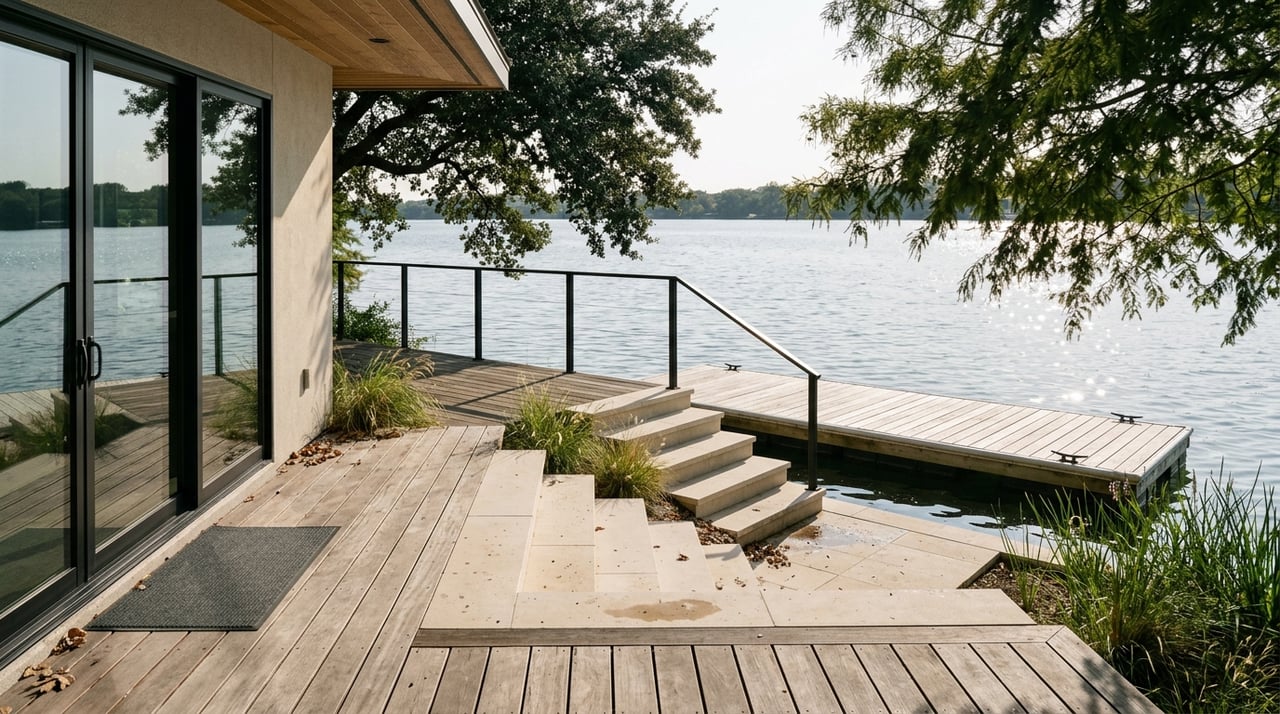
Living on Lake Austin is often less about occasional weekend use and more about how water access fits into your week. You might start the morning with coffee near the shoreline, head out for a paddleboard session, or meet friends by boat for lunch.
The lake’s daily rhythm is supported by a mix of residential shoreline, managed access points, and long-standing local destinations. That gives Lake Austin a lived-in, active feel rather than a remote or purely resort-like atmosphere.
Boating Rules Shape the Experience
One detail many buyers want to know is whether the lake has a curfew. According to the City of Austin, Lake Austin has no curfew, but that does not mean use is unrestricted.
APD’s Lake Patrol oversees the lake, and local rules include no-wake zones, holiday personal-watercraft bans, right-side navigation for motorboats, and standard safety-equipment requirements. In practical terms, that means the boating lifestyle here works best when you enjoy the convenience of getting on the water but also respect a more managed environment.
Access Is Available but Limited
Public access exists on Lake Austin, but it is concentrated. The City of Austin identifies Walsh Boat Landing as one of only two public boat launches on the lake, and Emma Long Metropolitan Park adds boat ramps plus a beach and swimming area.
Emma Long is open year-round, though peak-season day passes are used on many Friday-through-Sunday and holiday visits from March through September. For homeowners, that limited public access can be part of what makes private waterfront access feel especially valuable.
Lake Culture Includes Simple Stops
Part of the appeal of Lake Austin is that everyday outings can feel easy and social. Mozart’s Coffee Roasters lists lakefront events, paddleboard rentals, and hours from 7AM to 12AM daily, while Hula Hut notes free boat dock use and boat-side delivery.
Lake Austin Spa Resort also identifies places like Hula Hut, Ski Shores Cafe, Walsh Landing, and private residences with approachable docks as water-taxi points. Ski Shores adds another layer of local identity, describing itself as a tradition on Lake Austin since 1954.
Not Every Stretch Feels the Same
A key point for buyers is that Lake Austin does not have one single personality from end to end. The City of Austin’s vegetation survey shows meaningful differences across the lake, and those differences can affect views, navigation, and the overall feel of the shoreline.
That matters because two homes on the same lake can offer very different day-to-day experiences. One stretch may feel more open and active, while another may feel more enclosed or vegetation-heavy.
Upper Lake Austin
The upper five miles, from Mansfield Dam toward Lake Austin Spa, show hydrilla bank to bank according to the city’s survey. That can shape both the visual feel and how the shoreline interacts with boating and paddle activity.
For some buyers, this area may still offer the lake setting they want, but it is worth understanding that vegetation can be a major part of the environment. A showing from the water can be especially helpful here.
Middle Lake Austin
The middle stretch, from Commons Ford Park to Emma Long, has relatively little hydrilla. That can create a more open feel in certain areas compared with other parts of the lake.
If your priorities center on easier water movement or a less vegetation-heavy shoreline experience, this distinction may matter. It is one reason local, property-specific guidance is so important on Lake Austin.
Lower Lake Austin
The lower portion, between Ski Shores Cafe and Tom Miller Dam, still has thick shoreline growth and dense vegetation in coves and canals. That can make some pockets feel more enclosed and more dependent on exact lot position and water access design.
For buyers, this is a reminder not to judge the entire lake by one outing. The exact section, cove, and shoreline conditions can have a real impact on how a property lives.
Views Are a Big Part of the Appeal
For many people, Lake Austin living starts with the view. Waterfront homes can offer a strong connection to the water itself, but the broader setting matters too.
Mount Bonnell remains one of the classic overlooks in Austin. The city describes it as offering sweeping views of the lake, downtown, and the western hills, which helps explain why this corridor holds such lasting appeal.
From a real estate perspective, views on and around Lake Austin are rarely one-size-fits-all. The angle of the lot, tree cover, shoreline vegetation, and relationship to nearby hills all influence what you actually see from home.
What Ownership Really Involves
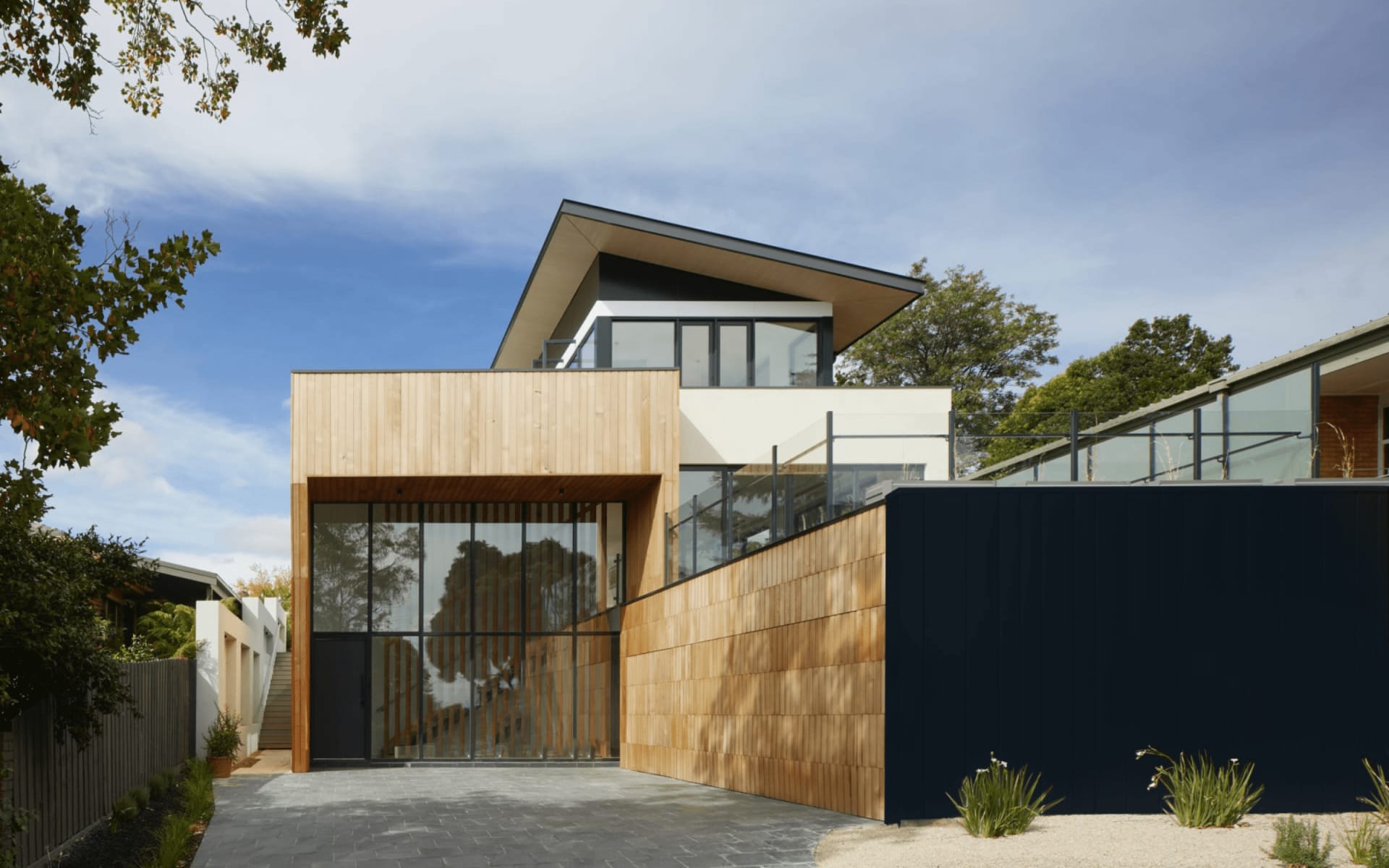
Lake Austin homes often look effortless from the outside. In reality, waterfront ownership here tends to be site-specific and highly regulated.
The City of Austin identifies an LA Lake Austin Residence district, and the city’s Residential Design and Compatibility standards are intended to keep new construction, remodels, and additions compatible in scale and bulk with existing neighborhoods. For buyers, that helps explain why homes around the lake can feel distinct from one another rather than repetitive.
Docks and Shoreline Improvements
If a property includes a dock, bulkhead, or shoreline access improvements, city review is often part of the picture. Austin states that an approved site plan or exemption is needed before applying for a residential or commercial boat-dock permit.
The city also requires completed docks to be registered for visibility and addressing. If you are buying for the boating lifestyle, this is one of the first due diligence items to review carefully.
Wastewater and Floodplain Considerations
Waterfront ownership can also involve wastewater and floodplain rules. Austin Water states that properties with water frontage on Lake Austin or its tributaries fall under the city’s on-site sewage jurisdiction regardless of lot layout.
If a remodel involves an on-site sewage facility, Austin Water approval is required before a building permit is issued. The city also notes that floodplain rules can apply to development, which is especially important if you are considering updates, additions, or redevelopment over time.
Stewardship Matters Here
Because Lake Austin is a drinking-water source, shoreline stewardship is not just cosmetic. The city says herbicides are not allowed on the lake and recommends mechanical removal for localized hydrilla issues.
Austin’s Grow Green shoreline guidance also notes that native plantings can help control erosion, improve water quality, and reduce algal blooms. For homeowners, that means long-term enjoyment of the property often goes hand in hand with thoughtful maintenance choices.
Seasonal Conditions Can Change Use
Even with a constant water level, conditions on Lake Austin can shift by season. In June 2026, Austin Watershed Protection warned about thick blue-green algae mats near Walsh Boat Landing.
That does not define the lake year-round, but it does show why current conditions matter. If you plan to boat, swim, paddle, or entertain by the water regularly, it helps to understand that waterfront living is dynamic, not static.
What Buyers Should Watch Closely
If you are serious about buying on Lake Austin, the lifestyle fit is only one part of the decision. The other part is understanding how a specific property functions in real life.
A few practical questions can help you evaluate a home more clearly:
- How does this exact stretch of the lake feel from the water and from the house?
- Does the property have existing docks or shoreline improvements, and are they properly reviewed or registered?
- Are there wastewater, floodplain, or remodeling constraints that may affect future plans?
- How much does shoreline vegetation affect access, views, or upkeep?
- How does the home support the way you actually want to use the lake during the week, not just on special occasions?
These are the kinds of details that separate a beautiful showing from a smart purchase. On Lake Austin, nuance matters.
Why Local Guidance Makes a Difference
Lake Austin can be one of the most rewarding lifestyle purchases in Austin, but it is rarely a plug-and-play market. Each property comes with its own mix of setting, access, regulation, and long-term potential.
That is where a process-driven, local approach can save you time and help you avoid surprises. Whether you are searching for a primary residence, a design-forward waterfront home, or an opportunity with off-market potential, clear due diligence is essential.
If you are exploring Lake Austin living and want a sharper read on how a specific property fits your goals, connect with Soud Twal. You will get thoughtful guidance, strong local context, and a concierge-level approach built to help you move with clarity and confidence.
FAQs
Can you boat on Lake Austin at night in Travis County?
- Yes. The City of Austin says Lake Austin has no curfew, but boating still must follow local rules and safety requirements.
Are there many public boat launches on Lake Austin?
- Public access is limited. The City of Austin identifies Walsh Boat Landing as one of two public boat launches on the lake, and Emma Long Metropolitan Park also offers boat ramps.
Do different parts of Lake Austin feel different?
- Yes. The City of Austin’s vegetation survey shows meaningful differences between the upper, middle, and lower stretches of the lake.
Are Lake Austin docks regulated by the City of Austin?
- Yes. The city says an approved site plan or exemption is needed before applying for a boat-dock permit, and completed docks must be registered.
Do Lake Austin waterfront homes face extra property considerations?
- Yes. Depending on the property, buyers may need to consider dock permitting, shoreline improvements, on-site sewage rules, floodplain development rules, and vegetation management.
Can seasonal water conditions affect Lake Austin use?
- Yes. The city has warned about seasonal issues such as blue-green algae mats, which is a reminder that waterfront conditions can change over time.